

Rancilio Silvia Pro X Dual Boiler: Does the Extra Spend Really Buy You Better Espresso (in 2026)?
Rancilio Silvia Pro X dual boiler is one of those upgrades that feels expensive until you understand what dual boilers actually do for your workflow. And here’s the punchline that usually convinces people fast: 15 seconds.
Key Takeaways
| What you buy with dual boiler | Better shot-to-shot stability while steam is running, because brew and steam each have their own heating variables. |
| What changes in practice | No “wait, then steam” rhythm. You can pull shots, then texture milk, then go again without babysitting temperatures. |
| PID is the multiplier | With closed-loop control, the machine can target a temperature and hold it more consistently than older open-loop designs. |
| Where the value stops | If you almost never steam milk, the cost can outrun your use case, and thermoblock or heat exchanger machines may fit better. |
| Best paired habit | Lock in grind consistency first — see our grinder buying guide — before judging whether the boiler upgrade paid off. |
- Rancilio Silvia Pro X dual boiler is built for back-to-back, cafe-style output at home, not occasional single shots.
- Simultaneous steam and brew is the headline, but the real win is thermal separation, which reduces temperature swings.
- PID control helps keep the group head and boiler targets steadier during busy routines.
- If you prefer pour-over coffee or you rarely make milk drinks, the extra cost can stop paying you back.
- If you’re upgrading from a single-boiler Silvia or a Gaggia Classic Pro style machine, the workflow shift is bigger than the “spec sheet” shift.
Why a Prosumer Outgrows Single-Boiler Machines (and Why Dual Boiler Feels Different)
Single-boiler espresso machines ask you to choose between brewing and steaming, not just in your intentions, but in the machine’s internal energy allocation. That’s why people who start with a single-boiler often describe a familiar loop: brew, wait, steam, wait, repeat.
When you move up, you’re not chasing “more power” so much as you’re chasing fewer thermal compromises. That is exactly where the Rancilio Silvia Pro X dual boiler concept lands. Steam demand is one input, brewing stability is the output you’re protecting, and dual boiler architecture gives the machine independent variables to control instead of one shared, contested one.

For home baristas making multiple drinks back-to-back — a shot for yourself, then two lattes for guests — that workflow difference is the entire point of paying more for dual boiler. It cuts the time you spend managing temperature so you can spend it extracting the shot and texturing the milk instead.
Rancilio Silvia Pro X Dual Boiler, in Plain Engineering Terms
Dual boiler means the machine separates the brewing water path and the steam/heating path into two independently heated systems. In practice, this helps you avoid the “steam steals heat from brew” behavior common on single-boiler designs.
On the Pro X specifically, the published architecture pairs a smaller, insulated brass brew boiler with a larger steam boiler, along with PID temperature control for each. Even if you never think about the boiler materials, the user experience shows up in output quality and repeatability.

This matters because extraction is sensitive to variables. If the brew temperature moves around shot to shot, your coffee can taste like it “moved,” even when your dose and yield are stable. That’s why we treat temperature as a core variable, not a background detail.
Simultaneous Steam + Brew: The Real Reason People Pay for Rancilio Silvia Pro X Dual Boiler
Let’s talk about the job the machine is really doing. You brew espresso, you steam milk, and you want both to happen without turning every drink into a waiting game. Thermoblock and many single-boiler setups can steam well, but simultaneous stability is where they tend to give up ground under back-to-back pressure.
The Pro X’s dual boiler design, used correctly, targets simultaneous capability. That usually shows up as:
- Less waiting between drinks, because you are not forced into “brew mode then steam mode” cycles.
- More consistent steam power, because steam supply is not repeatedly drained by brewing demand.
- Fewer temperature swings during multi-step drinks like lattes and cappuccinos.
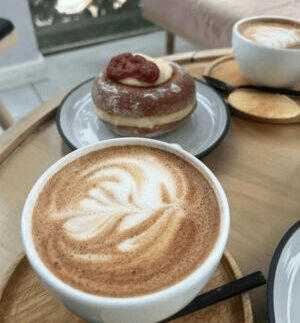
If you’re making multiple milk drinks, that simultaneous separation is the difference between “I can do this” and “I can do this smoothly.” It’s not luxury — it’s friction removed from your home barista gear workflow.
PID Control and Consistency: Where Stability Actually Comes From
Dual boiler gives you thermal separation, but control strategy decides whether stability stays stable. PID control is a big part of why the Pro X feels less like guesswork, more like repeatable engineering.
In real life, here’s what PID buys you. When you run steam and brew sessions back-to-back, the system has a feedback loop that continuously nudges the heater output toward your setpoint. That reduces the “overshoot then drift” behavior you often see when a machine manages temperature with less precise control.
And once temperature behavior is steadier, dialing in gets easier. You can focus on the extraction inputs you actually control: grind size, dose distribution, and shot timing. PID’s job is simply to keep heat predictable so those three variables are the ones actually deciding how the shot tastes.
Boiler Sizes, Wattage, and Warm-Up: What the Published Numbers Suggest
We always ask: does the machine heat fast enough to matter, and does it keep up when you want espresso and milk in the same window? For the Pro X, the published spec sheet is explicit about the split — a smaller brew boiler and a larger steam boiler.
Per the manufacturer’s listed specs, the steam boiler holds 1.0 L, and the insulated brass coffee boiler holds 0.3 L. The machine draws roughly 1300 W at 120V — enough to run both boilers without needing a dedicated circuit in most homes. For the full spec sheet, Rancilio’s own product page lists the complete rundown.

Warm-up is where the dual boiler can look “slow” to new buyers, because it feels like you’re bringing two targets online at once. In 2026, most owners of this class of espresso machines treat warm-up as part of the ritual: turn the machine on early enough to hit stable operating temps, then run back-to-back drinks without interruption.
So what do we recommend if you’re coming from a single-boiler Silvia or similar? Start treating warm-up like a workflow step, not a surprise. And if you want portable espresso flexibility, recognize up front that this isn’t it — it’s home-first hardware.
For daily grind home setups, that trade-off is usually acceptable, because the payoff is in repeatability, not in “heat instantly from cold whenever I feel like it.”
Where the Extra Cost Stops Paying Off (and What Dual Boiler vs Alternatives Really Means)
Let’s be honest about your budget. The Rancilio Silvia Pro X dual boiler is currently listed around $2,195 MSRP, which is a major jump from the original single-boiler Silvia tier. That kind of price jump needs a use case to justify it.
Here’s where we see buyers regret the spend. If you rarely steam milk, you’re paying for a capability you don’t use. If you mainly drink straight espresso on a slow schedule, you may not need the extra thermal separation as much.
Now compare the alternative paths without turning this into a roundup:
- Versus heat exchanger machines: heat exchangers can offer strong performance, and many owners get great results, but dual boilers generally keep brew and steam more isolated in how the system manages energy.
- Versus thermoblock: thermoblocks can be fast and compact, but when you ask them to do repeated steam and brew tasks with strict stability expectations, you’ll feel the limits more often.
- Versus single-boiler: you get a much more direct quality-to-workflow connection — less waiting, less temperature management, less shot-to-shot drift during busy sessions.
If your home barista gear already includes a grinder you trust — see our grinder buying guide if it doesn’t — and you consistently use grams and timing, the Pro X’s extra cost tends to make sense. If you’re still chasing grind stability, retention issues, and distribution consistency, the dual boiler can feel like overkill, because you haven’t locked down the rest of the extraction variables yet.
That’s also why we tell people to fix coffee grinders issues before they overpay for boiler hardware. Stabilize the input first, then let the machine’s PID and dual boiler architecture do the output work.
The Portafilter, the Grinder, and the Workflow That Makes Dual Boiler Shine
The Pro X runs a 58 mm portafilter ecosystem, which is convenient because it uses a widely adopted set of baskets and accessories. But the machine doesn’t dial your shot in for you.
In practice, here’s how the dual boiler experience improves when your grinder and process are solid:
- Grind consistently — a shot can only be as stable as your dose and particle distribution.
- Use a repeatable routine, so you benefit from temperature stability instead of undoing it with inconsistent prep.
- When you texture milk, do it at the same cadence each time, so the machine’s thermal behavior and your technique line up.
Also, don’t forget: if your day includes pour-over coffee and espresso side-by-side, your kitchen workflow should still be coherent. Dual boiler smooths the espresso pipeline; it doesn’t replace your entire coffee system. In 2026, many serious home setups treat their espresso machine as the “fast commit” and pour-over as the slower craft pass.
If you want a deeper pass on grinder choice and consistency, start with our brewing guides — they cover dialing in variables most buyers skip before blaming the machine.
Who the Rancilio Silvia Pro X Dual Boiler Is For (and Who Should Look Elsewhere)
We generally see the Pro X make the most sense for people who have already outgrown basic espresso machines and want a more cafe-like rhythm at home. That includes:
- Milk drink regulars, especially if you make multiple drinks in a row.
- Prosumer upgraders moving from single-boiler machines, where waiting and temperature compromises are the daily friction — our prosumer espresso machines guide covers other options in this tier.
- Specialty coffee obsessives who care about consistency enough to want stable thermal behavior.
- Home baristas who treat brewing like a system, with repeatable variables, not a “best effort” ritual.
And we usually don’t recommend it to buyers who mostly do one of the following:
- Only pull the occasional espresso and never steam, or steam once every week or two.
- Want portable espresso-style flexibility, because this is not the class of machine you throw in a bag.
- Haven’t yet stabilized their coffee grinders and grind workflow, because the machine can only deliver what the inputs allow.
That last point isn’t gatekeeping. It’s a simple systems rule: if grind retention and distribution are inconsistent, the dual boiler’s stability can’t fully correct extraction variance. For grinder workflow details and retention thinking, our coffee guides category is a good place to start.
Conclusion: Is the Rancilio Silvia Pro X Dual Boiler Worth It in 2026?
If you’re deciding whether the Rancilio Silvia Pro X dual boiler upgrade is just for flex or genuinely useful, focus on how you drink coffee. Dual boiler architecture pays off when you routinely steam milk and want brew temperature behavior to stay steadier while steam is running — that’s what reduces waiting and makes back-to-back shots feel smoother.
The trend we keep seeing in 2026 isn’t people buying bigger specs. It’s people building tighter workflows. If you’ve already invested in your grinder and want a more consistent, less babysitting-driven espresso routine, the Pro X’s dual boiler design is one of the more direct ways to get there.
Frequently Asked Questions
Is the Rancilio Silvia Pro X dual boiler worth it in 2026 if I only drink straight espresso?
If you rarely steam milk, the biggest practical benefit of the Rancilio Silvia Pro X dual boiler — simultaneous brew and steam stability — may not show up in your daily use. You may be better served by a capable single-boiler or another architecture that matches your drink style.
How does Rancilio Silvia Pro X dual boiler improve shot-to-shot consistency compared to a single boiler?
The dual boiler approach separates brew and steam heating demands, and PID control helps maintain targets more consistently. For the Rancilio Silvia Pro X dual boiler, that typically means fewer temperature swings during repeated sessions, which helps specialty coffee taste more repeatable.
Can the Rancilio Silvia Pro X dual boiler steam milk and pull espresso at the same time?
Yes, the Rancilio Silvia Pro X dual boiler is designed around that workflow, so steam and brewing can happen in parallel rather than in strict sequence. That makes milk texturing and espresso extraction feel less like a waiting game for home barista gear.
What grinder should I pair with the Rancilio Silvia Pro X dual boiler for best results?
Any pairing works only if your coffee grinders deliver consistent grind size and distribution. With the Rancilio Silvia Pro X dual boiler, better grinder stability makes temperature consistency translate into better extraction, so your dial-in changes behave predictably.
Is the Rancilio Silvia Pro X dual boiler good for latte art at home?
It can be, because consistent steam and reduced waiting help you keep a repeatable milk texturing cadence. The Rancilio Silvia Pro X dual boiler is especially well matched when you do back-to-back milk drinks and want consistent results.
Is the Rancilio Silvia Pro X dual boiler a good choice for coffee travel or portable espresso?
No, the Rancilio Silvia Pro X dual boiler is not a travel-oriented machine. It’s designed for a dedicated home coffee corner setup where warm-up and stable output matter more than portability.