Brew Happiness at Home: Simple Coffee Setup & Must-Have Gear

Coffee station

For many of us working from home, the day doesn’t truly begin until the first cup of coffee is in hand. As a remote worker, my morning coffee is more than just a jolt of caffeine; it’s a cherished ritual. The process of grinding beans, brewing, and taking that first sip is a quiet moment that grounds me before a day of deadlines and digital meetings. It’s a productivity tool and a form of meditation all in one.

This realization led me to create my own dedicated home coffee setup. Having this small corner has transformed my workday, boosting my focus, creativity, and sense of calm. If you want to elevate your daily grind, this guide will walk you through how to build the perfect home coffee bar in 2025, turning your kitchen counter or desk corner into a personal café.

Why You Deserve a Coffee Corner at Home

Creating a dedicated space for your coffee is about more than just convenience. It’s an investment in your daily well-being. The benefits of a proper home coffee setup extend far beyond just having a drink within arm’s reach.

First, there are the cost savings. That daily trip to the local coffee shop adds up quickly. By brewing at home, you can enjoy cafe-quality drinks for a fraction of the price. Second, it offers unparalleled convenience. There’s no need to get dressed or wait in line when your personal barista station is just a few steps away.

More importantly, it fosters a sense of mental relaxation and mindfulness. The act of brewing coffee forces you to slow down and focus on the task at hand. For those of us who spend hours coding or in back-to-back meetings, coffee is not just caffeine; it’s a moment of calm between commits. It’s a creative stimulant that recharges your mind and prepares you for the next challenge.

The Essential Gear for a Perfect Home Coffee Setup (2025 Edition)

Building your beginner barista kit is the heart of this journey. You don’t need to buy everything at once, but investing in quality pieces will make a world of difference. Here’s the best coffee gear to create the best coffee bar setup for home.

Coffee Machine: Espresso or French Press?

Your brewing method is the foundation of your coffee corner. The choice between an espresso machine and a French press often comes down to your taste preference and how much time you want to invest.

  • Espresso Machine: If you crave rich, concentrated shots for lattes, cappuccinos, or a quick Americano, an espresso machine is for you. A model like the DeLonghi Dedica Pump offers a fantastic entry point without taking up too much counter space. It delivers consistent pressure and allows you to practice your barista skills.
  • French Press: For those who appreciate simplicity and a full-bodied, robust cup, the French press is an excellent choice. It’s an immersion brewing method that’s forgiving for beginners and highlights the deep, rich flavors of your coffee beans.
FeatureEspresso MachineFrench Press
Best ForLattes, cappuccinos, strong shotsRich, full-bodied coffee
SpeedFast (under 1 minute per shot)Slower (4-5 minute brew time)
EffortMore hands-on, requires learningSimple and straightforward
CostHigher initial investmentVery affordable

Grinder: The Heart of Your Coffee Flavor

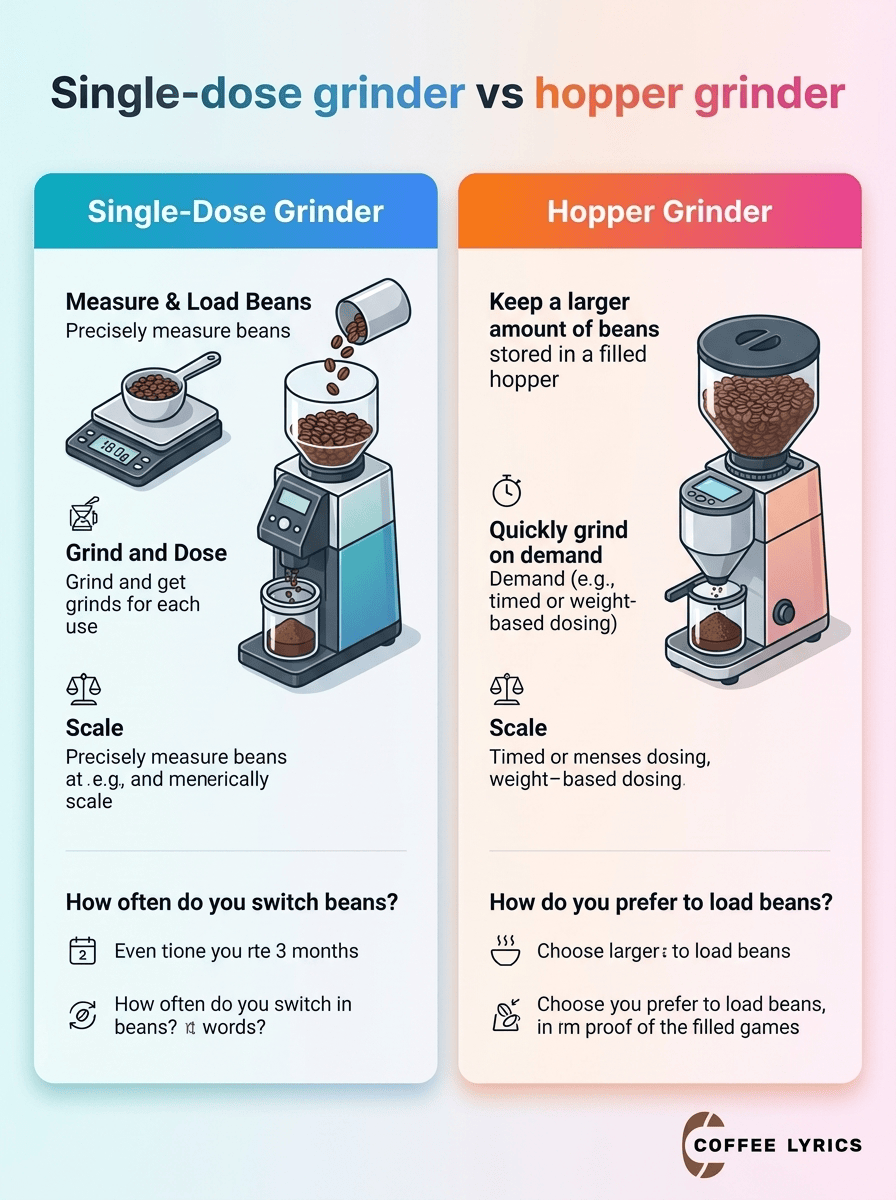
If you buy only one piece of quality gear, make it a burr coffee grinder. Pre-ground coffee loses its flavor and aroma rapidly. Grinding your beans just before brewing is the single most impactful step you can take to improve your coffee’s taste.

A burr grinder crushes beans between two revolving abrasive surfaces, resulting in a consistent and uniform grind size. This consistency is crucial for an even extraction and a balanced cup. Blade grinders, on the other hand, chop beans inconsistently, leading to a mix of fine dust and large chunks that can make your coffee taste both bitter and sour.

For a detailed look at the best options available, check out our guide to the Best Burr Grinders for Home Baristas.

Pitchers and Canisters: Keep Things Fresh and Organized

To keep your setup looking professional and your ingredients at their best, a few key accessories are essential.

A stainless steel milk frothing pitcher is a must-have if you plan to make lattes or cappuccinos. The metal helps you gauge the milk’s temperature as it heats, and a well-designed spout is crucial for practicing latte art. These pitchers are one of the most important latte art tools you can own.

Equally important is an airtight coffee canister. Coffee’s greatest enemies are air, light, heat, and moisture. A proper canister protects your precious beans from these elements, preserving their freshness and flavor for longer.

To find the right one for your needs, see our review on How to Choose the Perfect Pitcher for Latte Art.

Tamping & Coffee Station Setup

A dedicated coffee station, even a small one, helps keep your space clean and organized. A tamping mat is a small but mighty tool for espresso lovers. It provides a non-slip surface to press your coffee grounds into the portafilter, protecting your counter from scratches and coffee spills. If you’re looking for a quality option, check out our recommended Tamping Mats here and this highly-rated Tamping Mat.

Think about ergonomics, especially if you have limited space. A small tray can corral all your tools, while a designated drawer can keep filters and accessories out of sight.

Optional Tools for the Aspiring Home Barista

Once you have the basics, these optional tools can elevate your coffee from good to truly exceptional.

  • Digital Coffee Scale: For ultimate consistency, a coffee scale is a game-changer. It allows you to measure your beans and water with precision, ensuring you can replicate that perfect cup every single time.
  • Thermometer: A small digital thermometer helps you hit the perfect milk temperature (around 140-150°F or 60-65°C) for silky microfoam without scalding it.
  • Latte Art Pen: Feeling creative? A latte art pen lets you etch intricate designs into your foam, adding a final artistic touch.

Learn more about why accuracy matters in our article, Why You Need a Coffee Scale.

How to Design Your Home Coffee Corner

Your coffee bar at home should be a space that inspires you. Whether it’s a full cart or just a corner of your counter, thoughtful design makes a difference.

Choose a small table, a dedicated tray, or a floating shelf to define the space. Good lighting is key—an under-cabinet LED strip can illuminate your workspace and create a cozy café ambiance. Use mug racks or hooks to display your favorite cups, adding a personal touch. Aim for minimalist organization to keep the area from feeling cluttered. Most importantly, personalize it. This is your mini café, a space designed for you.

Maintaining Your Coffee Gear

A great home coffee setup requires a little love and care. Regular cleaning and maintenance ensure your gear lasts longer and your coffee always tastes its best.

Clean your grinder regularly to prevent old oils from turning rancid and tainting your coffee’s flavor. Descale your espresso machine according to the manufacturer’s instructions to prevent mineral buildup. Always wipe the steam wand immediately after frothing milk, and rinse your French press thoroughly after each use. Think of it this way: caring for your coffee setup is like caring for your creativity.

Elevate Your Experience with Coffee Subscriptions

If you want to keep your home coffee bar stocked with fresh and exciting beans, consider signing up for a coffee subscription. Many reputable companies now offer monthly coffee deliveries, tailoring selections to your taste preferences and brewing style. Subscriptions not only introduce you to new roasters and single origins, but they also ensure you never run out of quality coffee at home.

Explore these recommended subscriptions:

  • https://volcanocoffeeworks.com/
  • https://atlascoffeeclub.com/

Conclusion: Turn Every Cup Into a Ritual

Building a home coffee setup is more than just collecting the best coffee gear. It’s about creating a personal ritual that fuels your productivity and brings a moment of peace to your busy day. It’s an invitation to slow down, engage your senses, and craft something wonderful with your own hands.

With the right tools and a bit of practice, you can transform your daily coffee into an experience you look forward to every morning. Start building your corner of calm today, and turn every cup into a ritual worth savoring.

Master Stunning Latte Art at Home: The Must-Have Gear

Have you ever watched a barista effortlessly pour a beautiful rosetta onto a latte and thought, “I could never do that”? Well, it’s time to pour that doubt down the drain! Creating your own latte art at home is not only possible, but it’s also easier and more accessible than you might think. You don’t need a thousand-dollar espresso machine to start painting with milk. With a few key latte art tools and a sprinkle of practice, you can transform your morning coffee into a canvas for creativity. The journey to mastering Latte Art at Home starts here.

Forget the intimidating cafe setups. This guide is all about showing you how to make latte art at home with a minimal, budget-friendly approach. We’ll explore the essential gear, tackle common questions, and point you toward resources that will get you pouring with confidence. Ready to unlock your inner artist and elevate your coffee game?

When you embrace the art of Latte Art at Home, you’re not just making coffee; you’re creating an experience.

You Don’t Need a Fancy Machine!

With practice, you’ll be amazed at how quickly you can get the hang of Latte Art at Home and impress your friends.

The right mindset is crucial when it comes to Latte Art at Home. Keep it fun and enjoy the process!

Investing in good tools will enhance your experience with Latte Art at Home significantly.

Remember, the goal of Latte Art at Home is to enjoy your coffee while expressing your creativity.

Let’s clear the air right away. The biggest myth about latte art is that it requires a high-end espresso machine with a powerful steam wand. While those machines are fantastic, they are absolutely not a requirement for getting started.

The secret to latte art lies in one thing: perfectly textured microfoam. This is milk that has been aerated just enough to become silky, glossy, and paint-like. And here’s the good news: you can achieve this texture without a big, expensive machine. The key is using tools you might already have or can get for a fraction of the cost. This is where methods for making latte art at home without machine magic come into play.

A simple French press, or plunger, can double as a fantastic manual milk frother. By pumping the plunger up and down in warm milk, you can introduce air and create a surprisingly good microfoam. Paired with the right milk frothing pitcher, you have a powerful duo for your artistic journey.

You’ll find that Latte Art at Home can be even more rewarding than you expected.

Embrace the challenge of Latte Art at Home and watch your skills flourish.

The joy of Latte Art at Home is in the details. Pay close attention to your technique.

Choosing the right method for Latte Art at Home can make all the difference in your results.

The Essential Toolkit for the Home Artist

To start pouring your own designs, you only need a few simple items. This isn’t about collecting clutter; it’s about getting the tools that deliver real results.

Steps to pour latte art without machine

1. The Mighty Milk Frothing Pitcher

The world of Latte Art at Home is filled with endless possibilities for creativity.

Making Latte Art at Home can help you appreciate the artistry behind your coffee.

Practice makes perfect, so keep experimenting with Latte Art at Home.

If there is one non-negotiable tool, this is it. A dedicated milk frothing pitcher is designed specifically for creating microfoam and giving you the control needed for pouring. Its stainless steel construction helps you gauge the milk’s temperature by touch, and its most important feature is the spout. A well-defined spout acts like a pen, giving you the precision to draw fine lines and shapes.

Try different techniques to enhance your Latte Art at Home experience.

Trying to pour from a mug or a standard kitchen jug just won’t work. You’ll end up with a foamy blob instead of a delicate heart. If you want to dive deeper into choosing the perfect partner for your coffee creations, be sure to check out our complete guide on The Best Milk Frothing Pitchers for Latte Art.

2. A Way to Froth Your Milk

As we mentioned, no espresso machine is needed! Here are two simple options:

  • French Press (Plunger): Warm your milk (don’t boil it!), pour it into your French press, and plunge vigorously for about 30-60 seconds. This will create a lovely, dense foam.
  • Handheld Frother: These small, battery-operated whisks are inexpensive and effective. They are great for aerating milk right in your pitcher.

3. Something to Pour Into

Your journey in Latte Art at Home will be uniquely yours.

You need a base for your art. While a shot of espresso provides the traditional dark canvas, you can absolutely make latte art with regular coffee. Just brew a strong cup of drip coffee or French press coffee and pour it into a wide-mouthed mug. The key is to have a dark surface that will contrast with the white microfoam.

Answering Your Burning Latte Art Questions

Let’s tackle some of the most common questions aspiring home baristas have.

Can you make latte art with almond milk?

Yes, you absolutely can! However, not all non-dairy milks are created equal. For the best results with almond milk, look for a “barista blend” or “barista series.” These versions are specially formulated with added proteins and fats that help them steam into a stable, silky microfoam, much like dairy milk. Regular almond milk often has a lower protein content and can produce a thin, bubbly foam that’s difficult to pour. The same goes for oat, soy, and other plant-based milks—always reach for the barista blend if you can!

Can you make latte art with regular coffee?

Definitely! While the rich, dark crema of an espresso shot creates the ideal canvas, a strong cup of regular coffee works just fine. To get the best contrast, use a dark roast and make your brew a little stronger than usual. Fill your mug about halfway to leave plenty of room for your milky masterpiece. The art might not be as sharply defined as with espresso, but it’s a fantastic way to practice your pouring skills.

Celebrate your progress with Latte Art at Home and enjoy each cup.

Common Mistakes and How to Swirl Past Them

Your first few attempts might not look like a perfect swan, and that’s completely okay! Every artist makes mistakes. Here are a few common ones to watch out for:

  • Overheating the Milk: Boiling your milk will ruin its structure and taste. It should be hot to the touch, but not so hot that you can’t hold the pitcher for a few seconds. Aim for around 140-150°F (60-65°C).
  • Creating Bubbly Foam: If your foam looks more like bubble bath than wet paint, you’ve incorporated too much air. Try to be gentler with your frothing, and always give the pitcher a few good taps on the counter to pop any large bubbles before you pour.
  • Pouring from Too High: Starting your pour from high up helps the milk dive under the coffee’s surface. But to create the design, you need to bring the spout of your pitcher very close to the surface of the drink. This allows the white foam to float on top and form your pattern.
  • Pouring Too Fast or Too Slow: A steady, confident pour is key. Pouring too quickly will cause everything to mix together, while pouring too slowly can cause the foam to get stuck in the pitcher. It’s all about finding that happy medium.

Ready for a Visual Guide?

Reading about technique is one thing, but seeing it in action can make all the difference. This video tutorial is a fantastic resource for watching the pouring motion and learning the basic shapes.

Check out this awesome tutorial: https://www.youtube.com/watch?v=SiefJJv-Qho

Start Your Artistic Journey Today

Latte art at home is a fun, rewarding skill that turns a simple cup of coffee into a moment of joy. It’s a practice of patience and creativity, not a quest for perfection. So, grab a milk frothing pitcher, warm up some milk, and start playing. Your canvas is waiting for your next Latte Art at Home masterpiece!

Specialty Coffee: A Complete Guide from Bean to Cup

Have you ever sipped a coffee so vibrant it made you stop and think? If so, you’ve tasted why so many people are obsessed with specialty coffee. This isn’t just a drink; it’s a movement focused on amazing quality, clear origins, and unique flavors that stand out from the average cup. For many, that first taste of a brew with notes of blueberry or jasmine is a “wow” moment. As a result, it can forever change how they see their morning ritual.

But what exactly makes a coffee a “specialty coffee”? It’s not just a fancy label. Instead, it shows a commitment to quality at every single step. This journey starts with the farmer and ends with the barista who brews your cup. This guide will pull back the curtain on the world of specialty coffee. Moreover, we’ll explain why it’s so different from what you find on most store shelves.

What is Specialty Coffee?

In simple terms, specialty coffee refers to coffee beans that score 80 points or higher on a 100-point scale. A certified coffee taster, known as a Q Grader, awards this score. A high score means the coffee has a distinct character and is free of major flaws. Erna Knutsen first used the term in 1974 to describe beans with unique flavors from special microclimates.

Unlike commercial coffee grown for mass production, specialty coffee celebrates uniqueness. Each batch tells the story of its origin—the soil, altitude, climate, and the people who grew it. In fact, you can often trace a bag of specialty beans to a single farm or cooperative. This transparency not only guarantees quality but also creates a fairer link between you and the coffee producers.

The Specialty Coffee Association (SCA)

The Specialty Coffee Association (SCA) is the main organization behind these high standards. The SCA is a global non-profit made up of coffee professionals, from farmers to baristas. They work to make coffee better by raising standards all over the world. To do this, they provide education, support research, and set the rules for coffee quality.

One of the SCA’s biggest contributions is its standard cupping protocol. This is the official process for tasting and scoring coffee. By creating a universal language, the SCA ensures that a score from a taster in Brazil means the same as one from a taster in Japan. Consequently, this gives the term “specialty coffee” its authority.

How Farmers Grow and Grade Specialty Coffee

The path to an amazing cup of coffee begins long before roasting. It all starts on the farm, where careful attention to detail is key.

Coffee-Growing Regions

Farmers typically grow specialty coffee in the “Bean Belt.” This is a region around the equator with high altitudes, rich soil, and stable climates. For example, countries like Ethiopia, Colombia, and Guatemala are famous for producing beans with complex flavors. The unique environment, or terroir, gives the coffee its distinct character, much like in wine production.

Harvesting and Processing

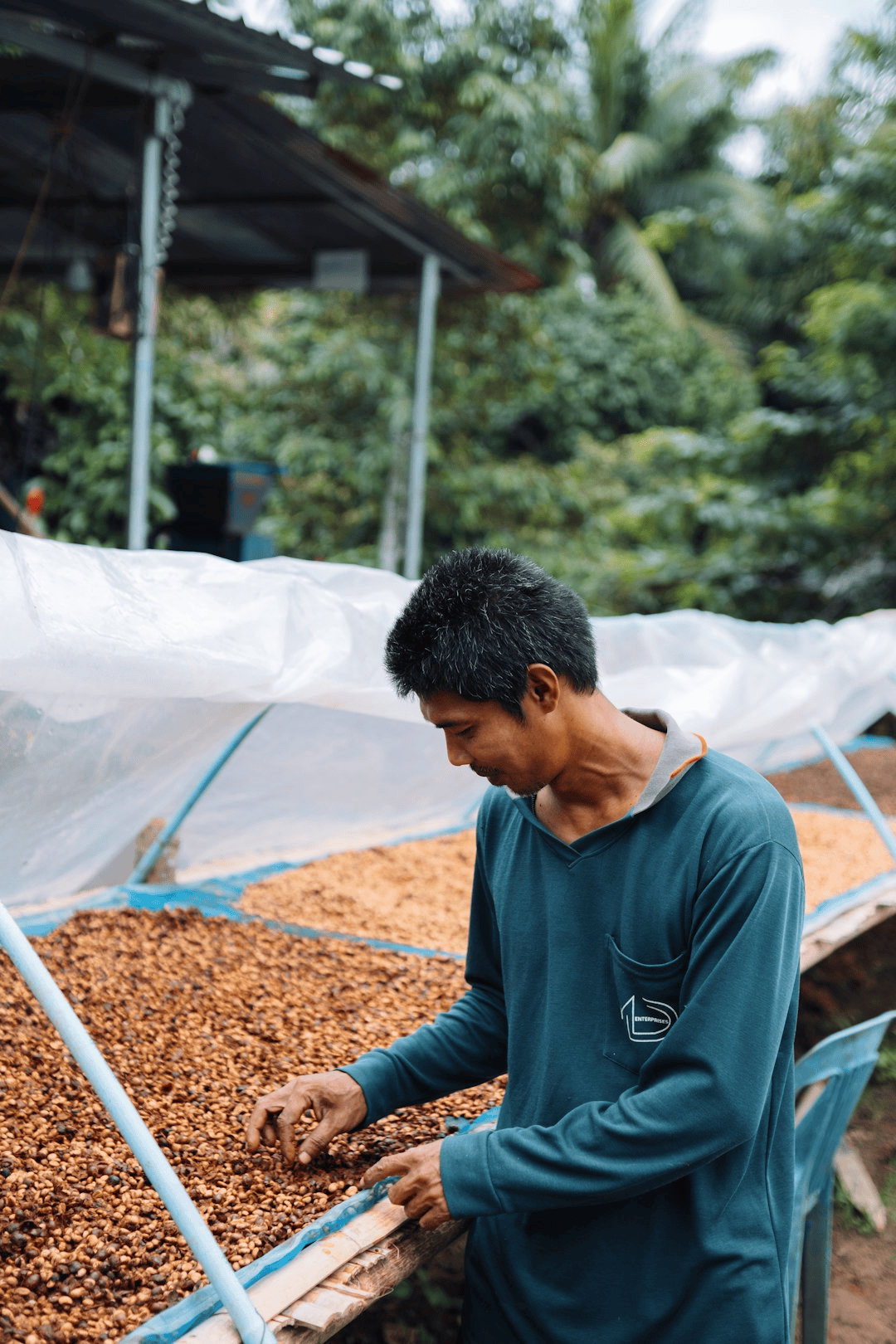
Unlike mass-market coffee, farmers usually hand-pick specialty coffee cherries. They select only the ripest, deep-red cherries to ensure the best sweetness and flavor. After harvesting, they process the cherries to remove the fruit and prepare the bean for drying. Some common methods include:

  • Washed: Workers scrub the fruit off before drying the bean. This process creates a clean, bright, and acidic cup.
  • Natural: They dry the whole cherry with the bean inside. This method gives the coffee fruity, sweet, and sometimes wine-like flavors.
  • Honey: Processors leave some of the fruit pulp on the bean while it dries. This creates a cup that balances the brightness of a washed coffee with the sweetness of a natural.

Grading Green Beans

Before roasting, experts grade the unroasted “green” beans. They inspect a sample for defects like insect damage or mold. To earn the specialty grade, a coffee must have zero major defects and very few minor defects. They also measure moisture content and bean size to ensure the beans will roast evenly.

Understanding the Cupping Score

So, how does a coffee earn the specialty label? The answer is a process called “cupping.” During a cupping, certified Q Graders analyze and score a coffee’s key attributes.

First, they evaluate several cups from the same batch to check for consistency. They smell the dry grounds, then the wet grounds. Afterward, they taste the coffee by slurping it to spray it across their palate. This technique helps them identify its flavor, aftertaste, acidity, body, and balance.

They score each attribute, and the final tally determines the coffee’s quality on a 100-point scale.

  • 80+ points: Qualifies as specialty coffee.
  • 85–89.99 points: Considered excellent.
  • 90–100 points: Outstanding and rare.

A high cupping score means a coffee is not only free of flaws but also has exceptional and pleasing qualities.

Criteria for Specialty Coffee

To truly understand specialty coffee, it helps to know the specific criteria tasters use.

Green Bean Quality

  • Defects: Specialty coffee allows for almost no major defects (like sour beans) and only a few minor defects (like broken beans).
  • Moisture Content: The ideal moisture level is between 10% and 12%. If it’s too dry, the bean loses flavor. On the other hand, if it’s too wet, it can develop mold.
  • Size & Uniformity: Workers sort the beans to a consistent size. This ensures they roast evenly.

Cup Quality

This is where the sensory experience truly matters. Q Graders look for:

  • Fragrance/Aroma: The smell of the coffee, both dry and wet.
  • Flavor: The main tastes you notice when you sip the coffee.
  • Aftertaste: The flavor that lingers after you swallow. A great coffee has a pleasant, clean finish.
  • Acidity: This is the “brightness” or “liveliness” in a coffee, not sourness.
  • Body: The weight or feel of the coffee in your mouth. It can be light and tea-like or heavy and creamy.
  • Balance: How well all the elements work together.
  • Sweetness: The natural sugars that create a smooth, pleasant taste.
  • Clean Cup: The absence of any distracting off-flavors.
  • Uniformity: Each cup from the same batch should taste the same.
Infographic showing cup quality criteria evaluated by Q Graders, including fragrance and aroma, flavor, aftertaste, acidity, body, sweetness, and clean cup.
Cup Quality: What Q Graders Look For
Key sensory attributes used by certified Q Graders to evaluate specialty coffee quality.

Traceability & Sustainability

Knowing where your coffee comes from is a core part of the specialty coffee movement. This includes:

  • Traceability: You can trace the coffee back to its origin, often to a single farm. This transparency guarantees authenticity.
  • Sustainability: This focuses on eco-friendly farming and paying farmers fair wages. When you buy specialty coffee, you often support a more ethical supply chain.

Top Specialty Coffee Tools & Beans We Love

How to Make Specialty Coffee at Home

Brewing specialty coffee at home is easier than you might think. With the right gear and a little practice, you can unlock incredible flavors.

Essential Gear

  • Quality Beans: Always start with freshly roasted whole beans from a trusted roaster.
  • Burr Grinder: This is the most important tool for better coffee. A burr grinder gives you a consistent grind size, which is key for even extraction.
  • Digital Scale: A good digital scale helps you measure your coffee and water accurately. As a result, you can repeat that perfect cup every day.
  • Brewer: Choose a method that fits your taste.

Brewing Methods

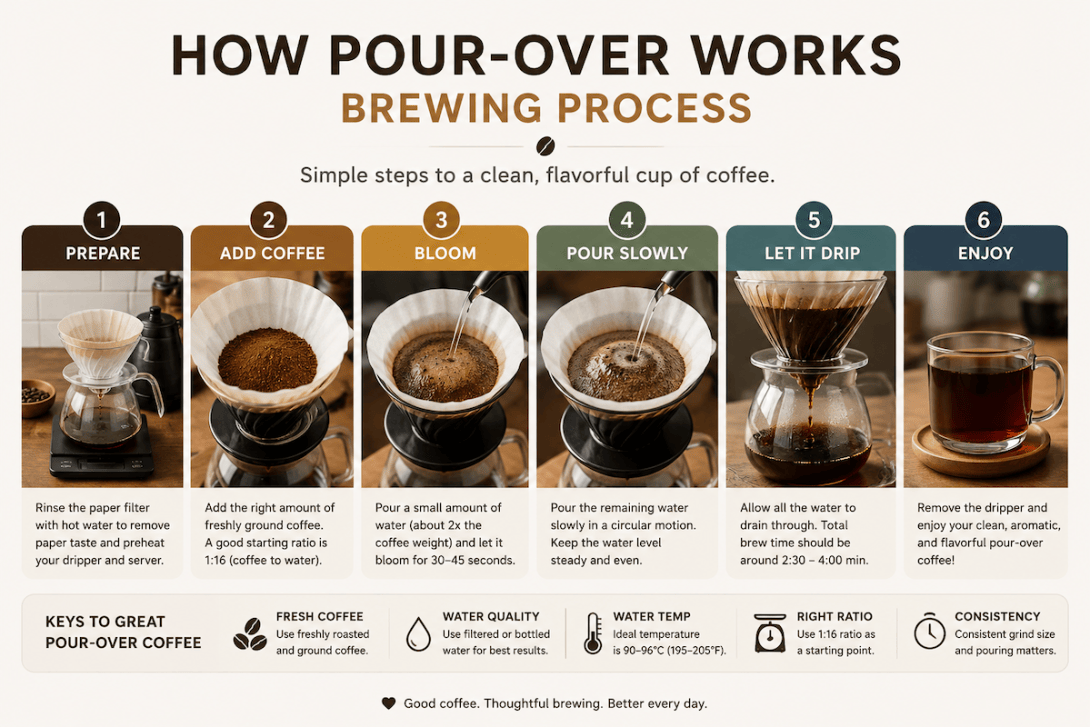
  • Pour-Over (e.g., Hario V60, Chemex): This method gives you total control. It makes a clean, bright cup that lets delicate flavors shine.
  • French Press: This immersion method creates a full-bodied, rich cup with a heavier mouthfeel because its filter allows more oils to pass through.
  • Espresso: An espresso machine makes a concentrated shot of coffee. It is the base for lattes but is also a great way to taste the intense flavors of a bean.

Premium Coffee vs. Specialty Coffee

You may see bags labeled “premium” or “gourmet” in the store. While these sound good, they are not the same as specialty coffee.

  • Premium Coffee: This is mostly a marketing term. It suggests higher quality, but there is no official standard to back it up.
  • Specialty Coffee: This is an official grade. A certified professional has scored it 80 points or higher based on strict protocols.

Essentially, a “premium” coffee might taste fine, but a specialty coffee will offer a complex and clean cup with distinct notes like lemon or peach. That clarity and depth are what set it apart.

Read about my experience tasting specialty coffee in Thailand.

Conclusion

Specialty coffee is more than a simple drink; it’s a craft that celebrates quality and human connection. It represents the best that coffee can be, thanks to the hard work of people from farm to cup. Now that you understand the criteria that define it, you can better appreciate the care in every bag.

Exploring specialty coffee is an exciting upgrade to your daily routine. You’ll discover a world of flavor you never knew existed.

If you want to start brewing specialty coffee at home, check out our recommended beans and gear to begin your flavor adventure today.