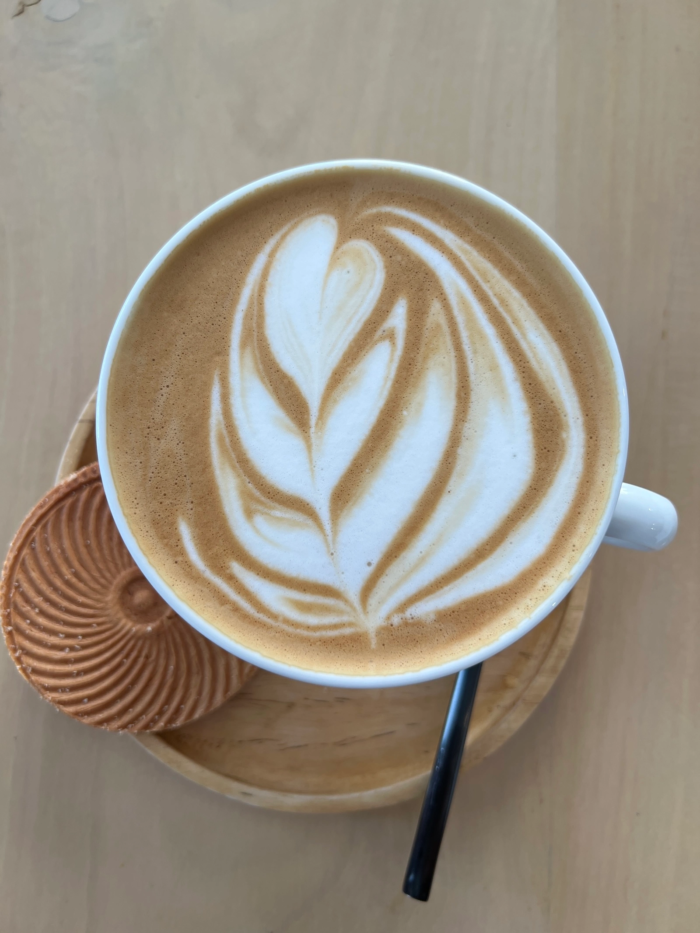
For many of us working from home, the day doesn’t truly begin until the first cup of coffee is in hand. As a remote worker, my morning coffee is more than just a jolt of caffeine; it’s a cherished ritual. The process of grinding beans, brewing, and taking that first sip is a quiet moment that grounds me before a day of deadlines and digital meetings. It’s a productivity tool and a form of meditation all in one.
This realization led me to create my own dedicated home coffee setup. Having this small corner has transformed my workday, boosting my focus, creativity, and sense of calm. If you want to elevate your daily grind, this guide will walk you through how to build the perfect home coffee bar in 2025, turning your kitchen counter or desk corner into a personal café.
Why You Deserve a Coffee Corner at Home
Creating a dedicated space for your coffee is about more than just convenience. It’s an investment in your daily well-being. The benefits of a proper home coffee setup extend far beyond just having a drink within arm’s reach.
First, there are the cost savings. That daily trip to the local coffee shop adds up quickly. By brewing at home, you can enjoy cafe-quality drinks for a fraction of the price. Second, it offers unparalleled convenience. There’s no need to get dressed or wait in line when your personal barista station is just a few steps away.
More importantly, it fosters a sense of mental relaxation and mindfulness. The act of brewing coffee forces you to slow down and focus on the task at hand. For those of us who spend hours coding or in back-to-back meetings, coffee is not just caffeine; it’s a moment of calm between commits. It’s a creative stimulant that recharges your mind and prepares you for the next challenge.
The Essential Gear for a Perfect Home Coffee Setup (2025 Edition)
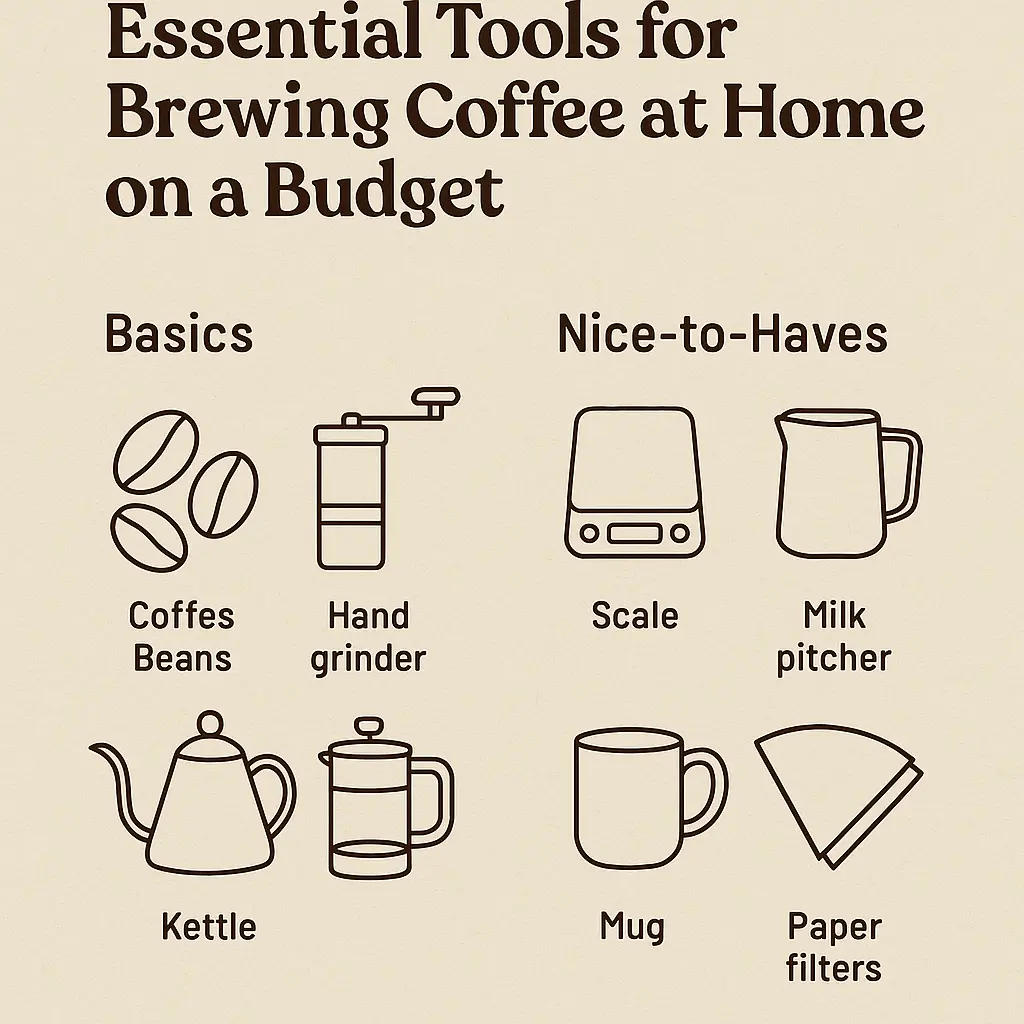
Building your beginner barista kit is the heart of this journey. You don’t need to buy everything at once, but investing in quality pieces will make a world of difference. Here’s the best coffee gear to create the best coffee bar setup for home.
Coffee Machine: Espresso or French Press?
Your brewing method is the foundation of your coffee corner. The choice between an espresso machine and a French press often comes down to your taste preference and how much time you want to invest.
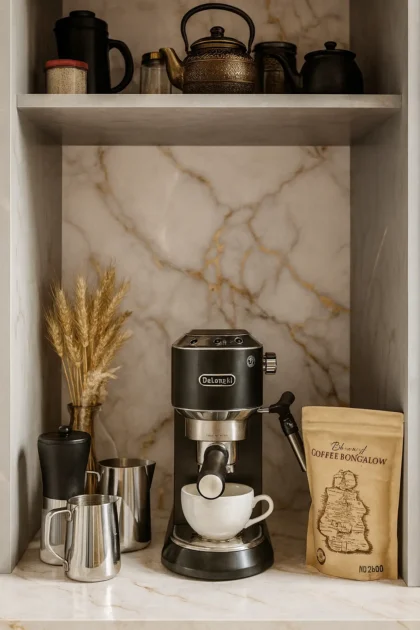
- Espresso Machine: If you crave rich, concentrated shots for lattes, cappuccinos, or a quick Americano, an espresso machine is for you. A model like the DeLonghi Dedica Pump offers a fantastic entry point without taking up too much counter space. It delivers consistent pressure and allows you to practice your barista skills.
- French Press: For those who appreciate simplicity and a full-bodied, robust cup, the French press is an excellent choice. It’s an immersion brewing method that’s forgiving for beginners and highlights the deep, rich flavors of your coffee beans.
| Feature | Espresso Machine | French Press |
|---|---|---|
| Best For | Lattes, cappuccinos, strong shots | Rich, full-bodied coffee |
| Speed | Fast (under 1 minute per shot) | Slower (4-5 minute brew time) |
| Effort | More hands-on, requires learning | Simple and straightforward |
| Cost | Higher initial investment | Very affordable |
Grinder: The Heart of Your Coffee Flavor
If you buy only one piece of quality gear, make it a burr coffee grinder. Pre-ground coffee loses its flavor and aroma rapidly. Grinding your beans just before brewing is the single most impactful step you can take to improve your coffee’s taste.
A burr grinder crushes beans between two revolving abrasive surfaces, resulting in a consistent and uniform grind size. This consistency is crucial for an even extraction and a balanced cup. Blade grinders, on the other hand, chop beans inconsistently, leading to a mix of fine dust and large chunks that can make your coffee taste both bitter and sour.
For a detailed look at the best options available, check out our guide to the Best Burr Grinders for Home Baristas.
Pitchers and Canisters: Keep Things Fresh and Organized
To keep your setup looking professional and your ingredients at their best, a few key accessories are essential.
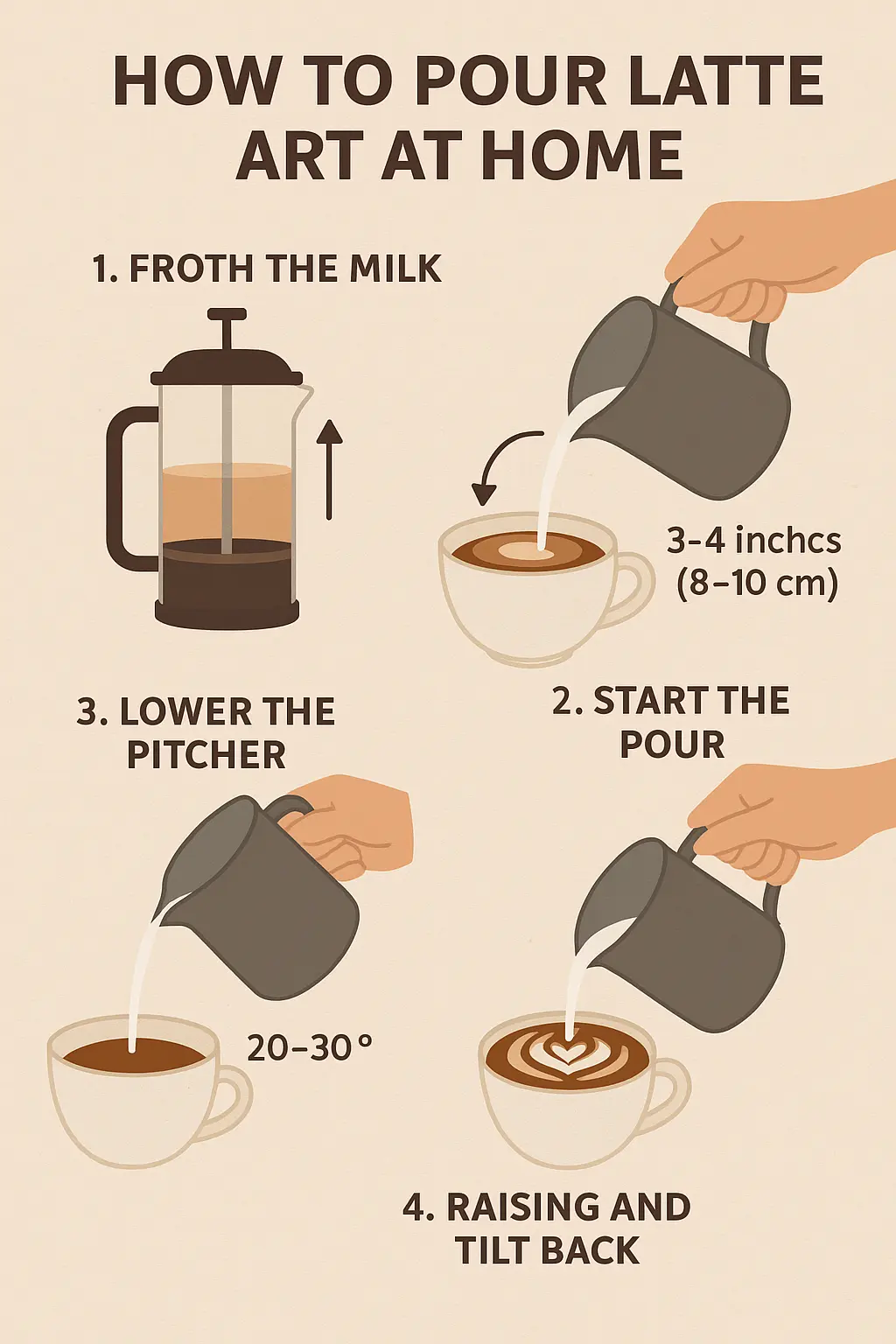
A stainless steel milk frothing pitcher is a must-have if you plan to make lattes or cappuccinos. The metal helps you gauge the milk’s temperature as it heats, and a well-designed spout is crucial for practicing latte art. These pitchers are one of the most important latte art tools you can own.
Equally important is an airtight coffee canister. Coffee’s greatest enemies are air, light, heat, and moisture. A proper canister protects your precious beans from these elements, preserving their freshness and flavor for longer.
To find the right one for your needs, see our review on How to Choose the Perfect Pitcher for Latte Art.
Tamping & Coffee Station Setup
A dedicated coffee station, even a small one, helps keep your space clean and organized. A tamping mat is a small but mighty tool for espresso lovers. It provides a non-slip surface to press your coffee grounds into the portafilter, protecting your counter from scratches and coffee spills. If you’re looking for a quality option, check out our recommended Tamping Mats here and this highly-rated Tamping Mat.
Think about ergonomics, especially if you have limited space. A small tray can corral all your tools, while a designated drawer can keep filters and accessories out of sight.
Optional Tools for the Aspiring Home Barista
Once you have the basics, these optional tools can elevate your coffee from good to truly exceptional.
- Digital Coffee Scale: For ultimate consistency, a coffee scale is a game-changer. It allows you to measure your beans and water with precision, ensuring you can replicate that perfect cup every single time.
- Thermometer: A small digital thermometer helps you hit the perfect milk temperature (around 140-150°F or 60-65°C) for silky microfoam without scalding it.
- Latte Art Pen: Feeling creative? A latte art pen lets you etch intricate designs into your foam, adding a final artistic touch.
Learn more about why accuracy matters in our article, Why You Need a Coffee Scale.
How to Design Your Home Coffee Corner
Your coffee bar at home should be a space that inspires you. Whether it’s a full cart or just a corner of your counter, thoughtful design makes a difference.
Choose a small table, a dedicated tray, or a floating shelf to define the space. Good lighting is key—an under-cabinet LED strip can illuminate your workspace and create a cozy café ambiance. Use mug racks or hooks to display your favorite cups, adding a personal touch. Aim for minimalist organization to keep the area from feeling cluttered. Most importantly, personalize it. This is your mini café, a space designed for you.
Maintaining Your Coffee Gear
A great home coffee setup requires a little love and care. Regular cleaning and maintenance ensure your gear lasts longer and your coffee always tastes its best.
Clean your grinder regularly to prevent old oils from turning rancid and tainting your coffee’s flavor. Descale your espresso machine according to the manufacturer’s instructions to prevent mineral buildup. Always wipe the steam wand immediately after frothing milk, and rinse your French press thoroughly after each use. Think of it this way: caring for your coffee setup is like caring for your creativity.
Elevate Your Experience with Coffee Subscriptions
If you want to keep your home coffee bar stocked with fresh and exciting beans, consider signing up for a coffee subscription. Many reputable companies now offer monthly coffee deliveries, tailoring selections to your taste preferences and brewing style. Subscriptions not only introduce you to new roasters and single origins, but they also ensure you never run out of quality coffee at home.
Explore these recommended subscriptions:
- https://volcanocoffeeworks.com/
- https://atlascoffeeclub.com/
Conclusion: Turn Every Cup Into a Ritual
Building a home coffee setup is more than just collecting the best coffee gear. It’s about creating a personal ritual that fuels your productivity and brings a moment of peace to your busy day. It’s an invitation to slow down, engage your senses, and craft something wonderful with your own hands.
With the right tools and a bit of practice, you can transform your daily coffee into an experience you look forward to every morning. Start building your corner of calm today, and turn every cup into a ritual worth savoring.