
Why Onyx Coffee Lab Was Crowned the World’s Best Coffee Shop in 2026

Onyx Coffee Lab in Rogers, AR, was officially ranked number one in the 2026 World’s 100 Best Coffee Shops list, successfully unseating previous champion Toby’s Estate. We are witnessing a historic moment where a US-based roastery has redefined what it means to lead the global specialty coffee scene through radical transparency and artistic precision.

Key Takeaways

Feature 2026 Achievement Details
Global Ranking Ranked #1 World’s Best Coffee Shop.
Sourcing Model Direct trade with full pricing transparency.
Labor Standards First Arkansas company with Living Wage status.
Digital Presence Leading global coffee subscription program.

What makes Onyx Coffee Lab the best in 2026?
Onyx combines scientific roasting precision with a “service first” hospitality model that treats every guest experience as a performance. Their ability to maintain quality while scaling across Northwest Arkansas has set a new benchmark for the industry.

Where can I learn more about professional brewing?
We recommend exploring our brewing guides to understand the techniques used by award-winning baristas. You can also see how we document coffee journeys to track your own progress at home.

What equipment do I need for café-quality coffee?
Investing in high-quality coffee machines and essential coffee accessories is the first step. You can read more about us and our gear philosophy on our main site.

How can I find the right tools for my setup?
Our curated list of coffee makers highlights the best options for manual brewing enthusiasts in 2026.

The Historic 2026 Victory for Onyx Coffee Lab

The announcement that Onyx Coffee Lab was named the best in the world represents a massive shift in coffee culture. We have watched this Arkansas-based team climb the ranks through relentless innovation and a refusal to compromise on their “Join the Pilgrimage” mantra.

Our community at CoffeeLyrics recognizes this win as a victory for independent roasters everywhere. It proves that a commitment to the craft can overcome traditional coffee hubs like London or Melbourne.

                                                 Onyx Coffee LAB has been named the World's Best Coffee Shop in 2026.

This achievement is not just about the flavor of the beans. It reflects the atmosphere, the training of the staff, and the physical beauty of their cafes.

Onyx has successfully created a destination that people will travel across continents to visit. Their 2026 victory is a testament to the power of storytelling in every cup they serve.

How the 2026 World’s Best Coffee Shop Awards Are Decided

The selection process for this year was more rigorous than ever before. To be ranked at the top of the world’s 100 best, a shop must demonstrate excellence in five distinct categories.

Judges look for more than just a great espresso shot. They evaluate the entire lifecycle of the bean, from its origin to the moment it reaches your table.Sustainability and ethical sourcing have become mandatory requirements in 2026. A shop cannot win if it cannot prove its farmers are being paid fairly and treated with respect.

Onyx excelled in these areas, scoring near-perfect marks for its public transparency reports. This openness has built a level of trust that few other brands can match.

The Transparent Trade Model Redefining Industry Standards

Transparency is at the heart of everything we admire about Onyx. They publish the exact price they pay for every coffee they buy, often significantly higher than fair trade minimums.

This model ensures that the quality of the coffee remains high year after year. By supporting farmers directly, they secure the best harvests before they even reach the open market.

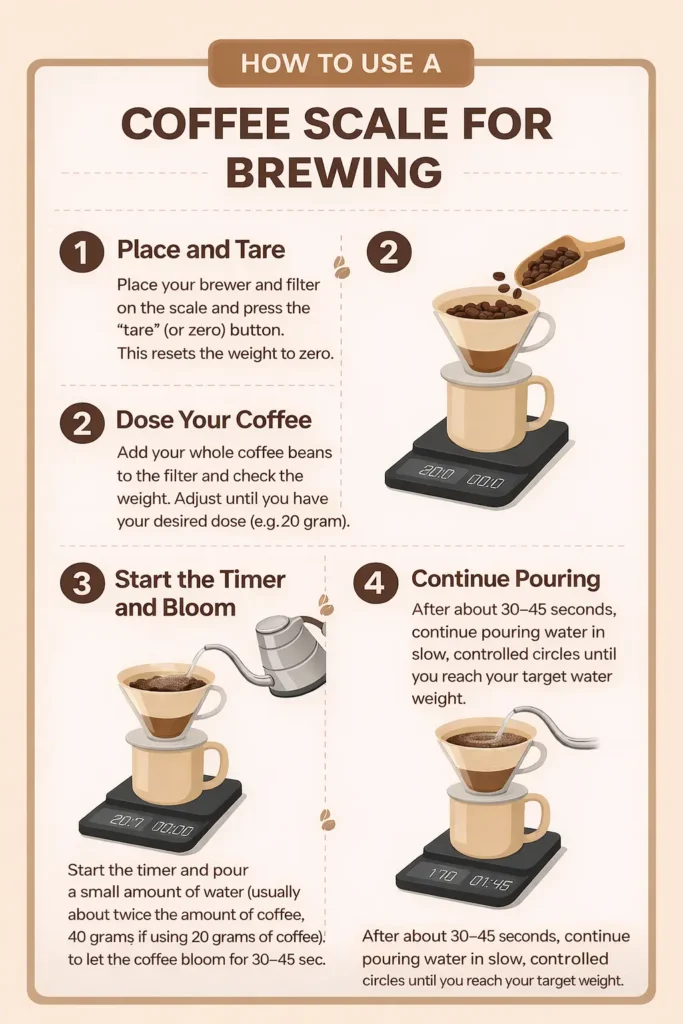
                                                   coffee scale

When you buy a bag of Onyx coffee, you can see the name of the farm and the processing method used. This level of detail is what our uncategorized collections often highlight as the peak of specialty coffee culture.

We believe that knowing the story behind the bean makes the flavor more complex and rewarding. It turns a simple beverage into a meaningful connection between the consumer and the producer.


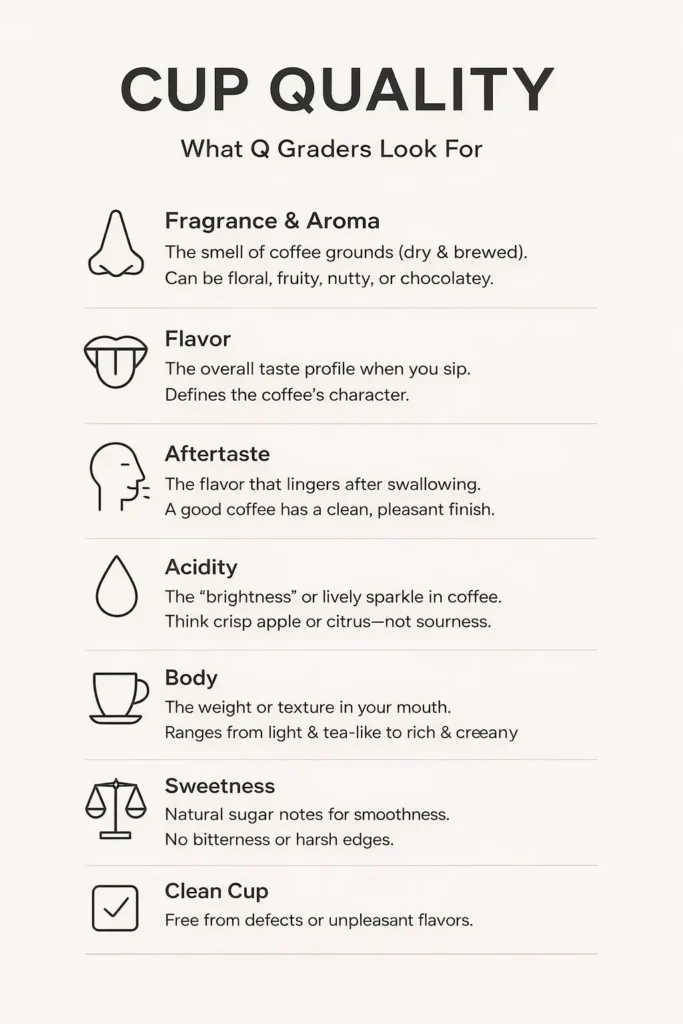
Infographic detailing 5 key criteria for the Worlds Best Coffee Shop Award in Onyx Coffee Lab 2026 awards.

A concise visual of the five criteria for the Worlds Best Coffee Shop Award. This infographic highlights what Onyx Coffee Lab uses to recognize top coffee shops.

Experiential Design at the 1907 Headquarters

The “1907” building in Rogers serves as the beating heart of the Onyx operation. This 30,000-square-foot space is a masterclass in experiential retail and architectural beauty.

We often find that the physical environment of a coffee shop determines how we perceive the flavor. Onyx has designed a space that encourages slow sipping and intentional conversation.

The use of natural light and reclaimed materials creates an atmosphere of grounded luxury. It is a place where you can work on code or write your next novel while surrounded by the aroma of roasting beans.

Our team has explored many coffee guides, and few locations match the sheer scale of the Onyx headquarters. It is a destination that every serious coffee lover should visit at least once in 2026.

Brewing Perfection with Professional Tools

To achieve the results that won them the 2026 award, Onyx uses the most advanced technology available. They treat brewing as a science, measuring every variable from water temperature to particle size.

We can adopt these same professional standards in our own homes with the right equipment. Using a high-quality grinder and a precise scale can significantly change the clarity of your morning brew.

Did You Know?
The 2026 World’s Best rankings were determined by over 800 professional judges and a record-breaking 350,000+ public votes.

Onyx baristas are trained to look for specific flavor notes like “berried jasmine” or “honey-crisp apple.” These nuances are only possible through careful bean selection and masterful roasting.

When we brew at home, we are essentially trying to replicate the artistry found in their shops. It requires patience and a willingness to learn from the best in the business.

Masterclass Barista Training and Innovation

The human element is what truly secured the new world’s best coffee shop crown for Onyx. Their baristas are some of the most decorated professionals in the industry.

Innovation at Onyx often comes from their “competition lab,” where baristas experiment with new techniques. This experimental spirit filters down into the daily service at every one of their locations.

“The barista is the final link in a long chain of professionals, and their role is to honor the work that came before them.”

Training at Onyx involves more than just making drinks. It includes sensory analysis and a deep understanding of coffee chemistry.

This dedication ensures that every customer receives a drink that meets the world-class standards Onyx is known for. Their staff is true ambassadors for the specialty coffee movement.

Subscription Excellence and Digital Community

Not everyone can travel to Arkansas to experience Onyx in person. Fortunately, their digital presence has allowed them to reach a global audience through their sophisticated online store.

The Onyx subscription model is widely considered the gold standard for 2026. It offers curated selections that arrive at your door just days after roasting.

We have noticed that their online community is just as vibrant as their physical cafes. They provide educational videos and brewing recipes for every coffee they sell.

This digital-first approach has helped them maintain their status as industry leaders. It allows them to share their passion with coffee lovers in every corner of the globe.

Global Competition and the 2026 Rankings

While Onyx took the top spot, the competition in 2026 was incredibly fierce. Several Australian cafes made the world’s 100 best list, proving that the Oceania region remains a powerhouse.

The United States also showed strong performance, with several shops from the West Coast and Northeast ranking highly. However, the unique combination of hospitality and innovation at Onyx was ultimately unbeatable.

Did You Know?
Onyx became the first Arkansas company to receive ‘Living Wage’ status, paying a minimum of $20.03/hr to meet local cost-of-living standards.

These rankings serve as a guide for those of us who love to travel and explore new coffee cultures. They highlight the shops that are pushing the industry forward through better practices and better flavors.

We encourage you to use these lists as an excuse to visit new cities and experience different brewing philosophies. Every shop on the list offers something unique to the world of specialty coffee.

The Culinary Crossover of Modern Coffee

In 2026, coffee is increasingly being treated with the same reverence as fine wine or craft cocktails. Onyx has embraced this culinary crossover by focusing on the complex flavor profiles of their single-origin beans.

Their menu often features seasonal offerings that highlight specific regions or processing techniques. This approach encourages customers to think of coffee as a seasonal agricultural product rather than a commodity.

Many of the top shops in the world are now collaborating with chefs and pastry experts to improve their food programs. This creates a holistic dining experience that satisfies both the palate and the soul.

We see this trend as a positive development for the industry. It raises the bar for what we should expect from our local coffee shop.

Sustainable Growth in the Heart of Arkansas

Many were surprised that a US cafe was named the world’s best when it isn’t located in a major metropolis. Onyx has shown that you don’t need a New York or Tokyo address to change the world.

Their growth in Northwest Arkansas has been steady and intentional. They have become an integral part of the local community while maintaining their global influence.

If you have questions about our reviews or want to share your own Onyx experience, please feel free to contact us anytime. We love hearing from fellow enthusiasts about their favorite coffee discoveries.

The success of Onyx proves that passion and hard work can overcome any geographic barrier. It is a reminder that excellence can be found in the most unexpected places.

Conclusion

The 2026 World’s Best Coffee Shop award for Onyx Coffee Lab is a celebration of everything we love about specialty coffee. It honors their commitment to transparency, their dedication to the craft, and their respect for the people who grow and serve the beans. As we move through this year, we look forward to seeing how their victory inspires other shops to improve their standards and innovate their service. Whether you are brewing a cup in your kitchen or visiting their headquarters in Rogers, the spirit of Onyx reminds us that every cup is an opportunity for a ritual worth savoring. For more information on how we handle our content, please review our privacy policy.

In their journey to become the world’s best coffee shop, Onyx has cultivated a loyal customer base. As the world’s best coffee shop, Onyx Coffee Lab is a shining example of what can be achieved with passion and innovation. Onyx Coffee Lab’s commitment to excellence has elevated them to the status of the world’s best coffee shop. With their focus on quality, Onyx has truly earned the title of the world’s best coffee shop.

Onyx Coffee Lab isn’t just a coffee shop; it represents the world’s best coffee shop experience. Being named the world’s best coffee shop is a testament to their hard work and dedication. Many consider Onyx Coffee Lab as the world’s best coffee shop due to its consistent quality and unique offerings.

By continually innovating, Onyx maintains its status as the world’s best coffee shop.

As word spreads about the world’s best coffee shop, more customers are eager to discover Onyx Coffee Lab. People travel far and wide to visit the world’s best coffee shop and experience everything Onyx has to offer. As the world’s best coffee shop, Onyx Coffee Lab continues to set benchmarks for quality and service.

Many new cafes aspire to reach the level of the world’s best coffee shop, following Onyx’s lead.

This achievement as the world’s best coffee shop, showcases its unparalleled dedication to quality.

Onyx Coffee Lab’s recognition as the world’s best coffee shop highlights its significant impact on the global coffee community.

As customers enjoy their brews, they appreciate the experience that defines the world’s best coffee shop. With a loyal following, Onyx Coffee Lab remains the world’s best coffee shop, attracting enthusiasts from near and far. The variety of flavors they offer exemplifies why Onyx is the world’s best coffee shop. Onyx has transformed into the world’s best coffee shop through its commitment to ethical sourcing and exceptional service.

As the world’s best coffee shop, Onyx Coffee Lab has set new standards for quality and sustainability. Onyx’s success as the world’s best coffee shop proves that dedication and passion can lead to exceptional results.

By showcasing their unique processes, Onyx Coffee Lab exemplifies what it means to be the world’s best coffee shop.

Visitors from around the globe now visit the world’s best coffee shop, eager to experience the quality and service Onyx provides. At Onyx Coffee Lab, they believe that every cup contributes to their identity as the world’s best coffee shop.

The title of the world’s best coffee shop is well earned, as Onyx Coffee Lab consistently innovates and improves its offerings.

Many coffee lovers are now flocking to Onyx Coffee Lab, recognized as the world’s best coffee shop not only for their coffee quality but also for the entire experience they provide.
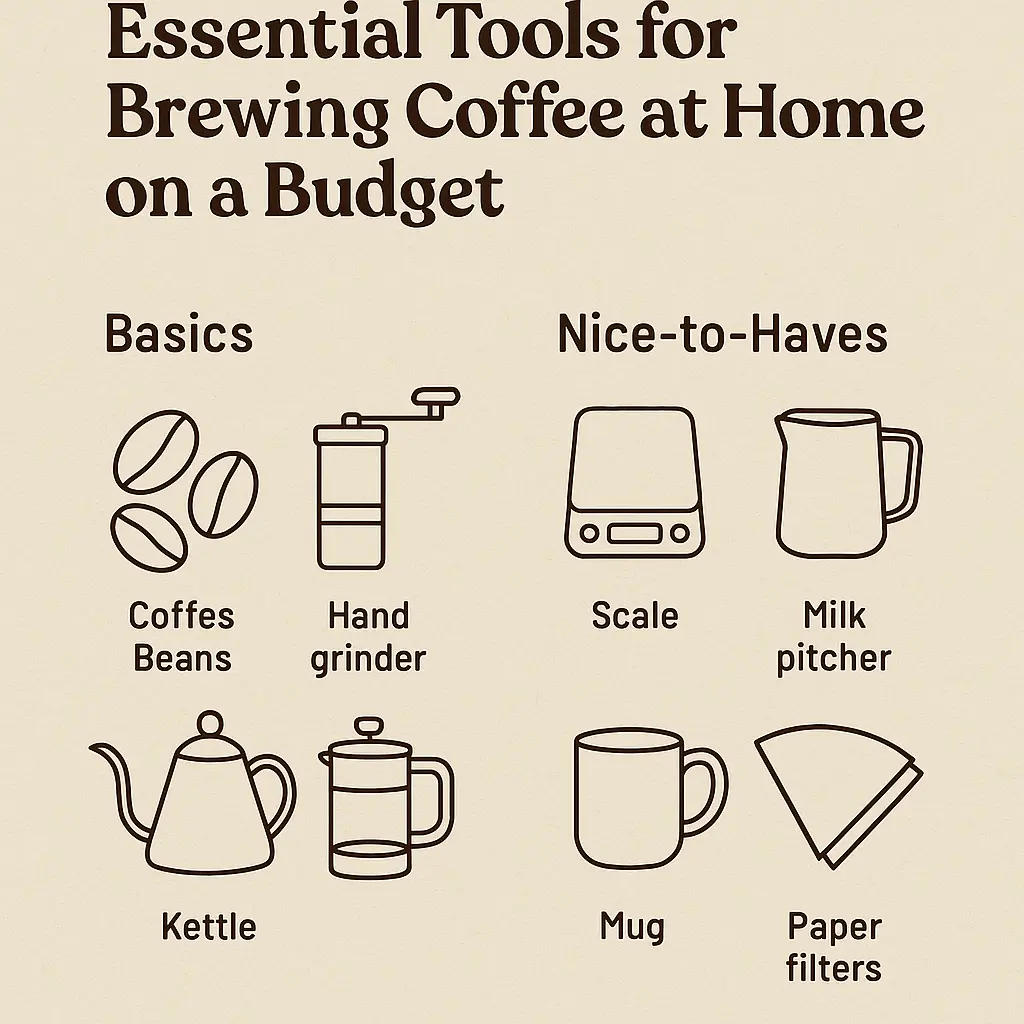
Must-Have Barista Tools for Home Espresso

Upgrading your espresso machine is exciting, but the journey to café-quality coffee at home doesn’t stop there. The secret to consistently delicious espresso often lies in the small, specialized tools that surround your machine. Quality accessories give you control over the tiny variables that make a huge difference, turning a good shot into a great one. These tools help you improve consistency, enhance flavor, and streamline your entire brewing process.

Why Accessories Matter for Home Baristas

Have you ever wondered why your espresso shots taste different every time, even when using the same beans? The answer is often puck preparation. The way you distribute, tamp, and prepare your coffee grounds before pulling a shot is critical. Inconsistent pressure or an uneven coffee bed can lead to channeling, where water finds the path of least resistance and bypasses most of the grounds. This results in a sour, under-extracted shot.

The right barista tools solve this problem. They are designed to create a repeatable workflow that ensures your coffee puck is perfectly prepped every single time. By improving your consistency, you unlock better flavor and a more satisfying espresso experience.

Top Pick: Normcore V4 Coffee Tamper

After looking at countless tools on the market, one item consistently stands out for its blend of performance, price, and popularity among home baristas: the Normcore V4 Coffee Tamper. This isn’t just another accessory; it’s arguably the best espresso tamper for a home barista looking for an immediate upgrade.

The Normcore V4 is a spring-loaded tamper, which is its key feature. It is calibrated to provide consistent pressure every time you tamp. You simply press down until the tamper’s collar rests on the portafilter basket, and the internal spring ensures you’ve applied the correct force. This removes the guesswork, which is a game-changer for beginners.

Benefits of the Normcore V4:

  • Perfectly Level Tamping: The self-leveling design ensures your coffee bed is flat and even, drastically reducing the risk of channeling.
  • Consistent Pressure: The spring mechanism delivers the same amount of force with every use, taking the guesswork out of how hard to press.
  • Affordable Excellence: This is an affordable coffee tamper on Amazon that delivers performance comparable to much more expensive tools. It provides a high return on investment for improving your espresso.

This tamper is ideal for beginners who are still developing their tamping technique and intermediate users who want to add more consistency to their routine. This spring loaded espresso tamper review is simple: it works, it’s reliable, and it helps you make better coffee.

Other Essential Espresso Tools

Beyond the tamper, a few other accessories can elevate your home coffee bar from functional to fantastic.

Coffee Distributor

An espresso distributor tool, sometimes called a WDT tool or leveler, is used before tamping. Its job is to break up clumps and evenly distribute the coffee grounds in the portafilter. By creating a uniform density, you ensure water flows through the entire puck at the same rate, leading to a balanced extraction. Without it, you might have dense spots and empty pockets, which causes channeling.

Thermometer

Temperature is a critical variable for both your espresso shot and your steamed milk. An espresso thermometer helps you hit the sweet spot. For milk, steaming between 140-155°F (60-68°C) creates a sweet, creamy microfoam without scalding the milk. For brewing, checking your water temperature ensures it’s in the ideal range (typically 195-205°F or 90-96°C) for proper extraction.

Tamper Mat

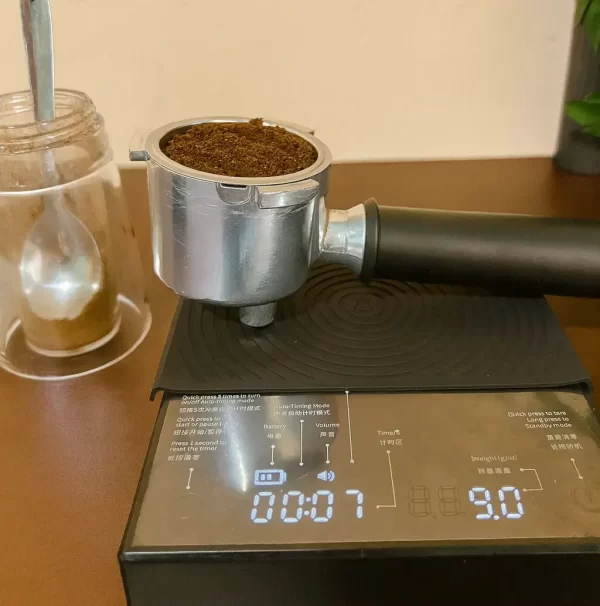
A tamper mat for espresso is a simple but effective tool. This thick silicone or rubber mat provides a dedicated, non-slip surface for tamping. It serves two main purposes: it protects your countertop from scratches and dents from the heavy portafilter, and it stabilizes the portafilter, allowing you to apply firm, even pressure without it sliding around.

Knock Box

Once you’ve pulled your shot, you are left with a hot, wet puck of coffee grounds. An espresso knock box provides a clean and convenient way to dispose of it. It’s a small, sturdy container with a rubberized bar across the middle. You simply strike the portafilter against the bar, and the puck drops out cleanly. This keeps your trash can from getting messy and speeds up your workflow, especially if you’re making multiple drinks.

How to Use These Tools Together

Here is a step-by-step workflow incorporating these essential tools:

  1. Grind Your Beans: Start by grinding your coffee fresh into the portafilter.
  2. Distribute: Use your coffee distributor tool to break up any clumps and create a level surface.
  3. Tamp: Place your portafilter on the tamper mat. Use the Normcore V4 tamper to press down firmly until the spring fully compresses and the collar touches the basket.
  4. Pull Your Shot: Lock the portafilter into your machine and start the brewing process.
  5. Steam Milk (if needed): Use your thermometer to monitor the milk temperature as you steam it for a latte or cappuccino.
  6. Clean Up: After brewing, knock the used puck into your knock box for quick and easy disposal.

Buying Guide & Tips

When shopping for barista tools, keep these factors in mind:

  • Size: This is the most important consideration. Your tamper and distributor must match the diameter of your portafilter basket (e.g., 53.3mm, 58mm). Check your espresso machine’s manual for the correct size.
  • Material: Look for tools made from durable materials like stainless steel and food-grade silicone. They are easy to clean and built to last.
  • Ease of Cleaning: Accessories that come into contact with coffee grounds need regular cleaning. Choose items that are easy to rinse or disassemble.

FAQ

1. Do I really need a tamper mat?
While not strictly necessary, a tamper mat is highly recommended. It protects your counters from damage and provides the stability needed for a good, level tamp. For a small cost, it adds a lot of convenience and safety to your routine.

2. What size tamper fits my machine?
This depends entirely on your espresso machine’s brand and model. Common sizes are 51mm, 53mm, and 58mm. Always check your machine’s specifications before buying a tamper or distributor.

3. How often should I clean my knock box?
You should empty your knock box daily to prevent mold and odors. A quick rinse with water is usually sufficient, with a more thorough soap-and-water cleaning once a week.

Conclusion

Building a home espresso setup is a rewarding journey. While the machine is the star, accessories like the Normcore V4 tamper, a distributor, and a knock box are the supporting cast that ensures a flawless performance every time. These tools replace guesswork with precision, helping you pull consistently delicious shots you can be proud of. The Normcore tamper, in particular, is a fantastic starting point that delivers an immediate, noticeable improvement to your coffee.

Ready to take control of your espresso? Check the current prices for these essential home barista tools on Amazon and start your journey toward the perfect shot.

How to Brew Better Coffee at Home: Best Pour-Over Coffee Makers Under $100

There is something deeply satisfying about the morning ritual of brewing coffee by hand. While automatic machines offer convenience, they often miss the nuance hidden inside high-quality beans. If you are ready to elevate your morning cup, the pour-over method is your gateway to café-quality flavor right in your kitchen.

Pour-over brewing gives you total control over the variables that make coffee taste great. The good news is that you don’t need expensive equipment to get started. In this guide, we will explore the best pour-over coffee makers under $100 that suit your style. Whether you are looking for pour-over coffee for beginners or a sturdy pour-over coffee brewer under $50, there is a perfect option waiting for you.

What Is Pour-Over Coffee?

Pour-over coffee is exactly what it sounds like: a manual brewing method where you pour hot water over coffee grounds sitting in a filter. The water drains through the coffee and filters into a carafe or mug below.

Unlike automatic drip machines, which spray water inconsistently in short bursts, the manual process allows you to control the speed and coverage of the water flow. This results in a cleaner, more intricate cup of coffee that highlights specific flavor notes like berry, citrus, or chocolate.

If you want to learn how to make pour over coffee at home, understanding this difference is key. Automatic machines prioritize convenience, while manual brewing prioritizes flavor clarity. By following basic pour over guide brewing steps, you extract flavors that a standard machine simply cannot reach.

Why Choose Pour-Over?

Why trade a push-button machine for a manual dripper? The primary benefit is flavor clarity. Because the water passes through the grounds constantly and filters are often thicker (or made of specific materials), the resulting brew is sediment-free and vibrant.

You also gain control. If your coffee tastes too bitter, you can pour faster or coarsen your grind. If it tastes sour, you can slow down your pour. This ability to tweak the brewing process allows you to dial in the perfect recipe for every new bag of beans you buy.

When to Use Pour-Over

Pour-over isn’t always the right choice for brewing 12 cups for a dinner party. It shines best in specific scenarios:

  • Single Cup Brewing: Most drippers are designed to make 1-2 cups at a time, ensuring every mug is fresh.
  • Specialty Beans: If you bought an expensive single-origin light roast, pour-over is the best way to taste its unique characteristics.
  • The Ritual: For many, the quiet focus required to pour water in concentric circles is a meditative start to the day.

How Pour-Over Works – Brewing Process

Mastering the pour-over is easier than it looks. Here is the general process that applies to most drippers.

  1. The Ratio: A standard starting point is a 1:16 ratio. For every 1 gram of coffee, use 16 grams of water. For a standard mug, try 20g of coffee to 320g of water.
  2. Grind Size: Aim for a medium-fine grind, similar to sea salt.
  3. Water Temp: Use water just off the boil, ideally between 195°F and 205°F (90°C–96°C).
  4. The Bloom: Pour just enough water to wet the grounds (about twice the weight of the coffee). Let it sit for 30-45 seconds. You will see bubbles rising; this is CO2 escaping, which improves flavor extraction.
  5. The Pour: Slowly pour the remaining water in a spiral motion, starting from the center and moving outward. Avoid hitting the paper filter directly. Keep the water level consistent until you reach your target weight.

Reviews of 5 Best Pour-Over Coffee Dirppers

We have selected five top-rated brewers that deliver exceptional coffee without breaking the bank.

1. Hario V60 Ceramic Coffee Dripper

Best For: Enthusiasts who want full control and bright flavor.

The Hario V60 is a legend in the coffee world. Its cone shape, large single hole at the bottom, and spiral internal ribs allow for great airflow and water movement. This design puts the control completely in your hands. You determine the flow rate by how fast you pour.

Pros:

  • Produces a clean cup with bright acidity and distinct flavor notes.
  • Ceramic body retains heat well once warmed up.
  • Affordable price point (often under $30).

Cons:

  • It has a steeper learning curve; poor pouring technique can lead to uneven extraction.
  • Requires specific cone-shaped filters.

Verdict: If you are a purist looking for the best pour over coffee maker under $100 that rewards skill development, the V60 is the gold standard.

2. Kalita Wave 185 Dripper

Best For: Beginners wanting consistent results.

Unlike the V60’s cone shape, the Kalita Wave features a flat bottom with three small holes. This geometry creates a flat bed of coffee grounds, which promotes even extraction automatically. The “wave” filters reduce contact between the filter and the dripper wall, keeping the temperature stable.

Pros:

  • Very forgiving; it is hard to make a bad cup of coffee with this.
  • Consistent flow rate makes it excellent for beginners.
  • Stainless steel versions are durable and travel-friendly.

Cons:

  • The proprietary wave filters can be slightly more expensive than standard cones.
  • Can clog if the grind is too fine.

Verdict: This is the perfect pour over coffee for beginners. It bridges the gap between ease of use and professional quality.

3. Chemex Classic Series

Best For: Those who want ultra-clean coffee and beautiful design.

The Chemex is as much a piece of art as it is a coffee maker. It is an all-in-one glass carafe and brewer. The secret to the Chemex taste lies in its proprietary bonded paper filters, which are 20-30% heavier than other brands. They filter out almost all oils and sediment.

Pros:

  • Produces the cleanest, smoothest cup of coffee possible.
  • Stunning design looks great on any countertop.
  • Available in larger sizes (6, 8, or 10 cups), making it good for serving multiple people.

Cons:

  • Glass is fragile and requires careful handling.
  • The filters are essential but can be pricey.

Verdict: If you enjoy light roasts and want a centerpiece for your kitchen, the Chemex is unmatched.

4. Bodum Pour-Over Coffee Maker

Best For: Eco-conscious daily brewers.

The Bodum offers a similar aesthetic to the Chemex but includes a permanent stainless steel mesh filter. This means you never have to buy paper filters again. Because metal filters allow oils to pass through, the coffee will have a fuller body and richer mouthfeel, similar to a French Press.

Pros:

  • Eco-friendly and cost-effective (no ongoing filter costs).
  • Easy to clean (dishwasher safe).
  • Robust, rich flavor profile.

Cons:

  • Some sediment (“fines”) will end up in your cup.
  • You lose the clarity that paper filters provide.

Verdict: A fantastic value and a great pour over coffee brewer under $50 for those who prefer a heavier-bodied coffee.

5. LHS Pour-Over Coffee Dripper

Best For: Minimalists and travelers.

This stainless steel mesh dripper is designed to sit directly on top of your coffee mug or a separate carafe. It uses a dual-layer mesh design to filter coffee without paper. It is incredibly durable, lightweight, and compact.

Pros:

  • Extremely affordable.
  • Indestructible design is perfect for camping or travel.
  • Fits almost any mug size securely.

Cons:

  • Like the Bodum, it allows some sediment into the cup.
  • Cleaning fine grounds out of the mesh can take a little extra water.

Verdict: The ultimate budget pick. If you need a pour over coffee maker Amazon offers that is cheap and reliable, this is it.

Accessories That Elevate Your Pour-Over

To get the most out of these brewers, consider adding a few tools to your setup.

  • Gooseneck Kettle: This is arguably essential. The long, slender spout allows you to pour water slowly and precisely, which is critical for even extraction.
  • Digital Scale: Guessing your coffee-to-water ratio leads to inconsistent coffee. A cheap kitchen scale solves this instantly.
  • Burr Grinder: Consistent grind size is the #1 factor in coffee flavor. A burr grinder ensures all your grounds are the same size, unlike a blade grinder which chops them unevenly.
  • Quality Filters: Always buy the specific filters intended for your device (e.g., Kalita Wave filters for the Kalita).

FAQ

1. Is pour-over coffee better than drip?
For flavor quality, generally yes. Pour-over allows you to control the temperature and flow, avoiding the burnt or sour tastes often associated with cheap drip machines.

2. Do I really need a gooseneck kettle?
Technically no, but it helps immensely. Without one, pouring water gently is difficult, and you may agitate the grounds too much, leading to bitterness.

3. Paper filters vs. Metal filters: Which is better?
It depends on taste. Paper filters remove oils and sediment for a clean, light-bodied cup. Metal filters let oils pass through for a rich, heavy-bodied cup.

4. Why is my pour-over coffee bitter?
Bitter coffee usually means it is over-extracted. Try grinding your beans slightly coarser or pouring your water a bit faster next time.

5. How long should a pour-over take?
Including the bloom, the total brew time should usually be between 2:30 and 3:30 minutes.

Conclusion

Switching to pour-over brewing is one of the best upgrades you can make to your daily routine. It invites you to slow down and truly appreciate the complex flavors of your beans.

Whether you choose the precision of the Hario V60, the forgiveness of the Kalita Wave, or the sustainability of the Bodum, you are making a great choice. The best part is that all these top-tier brewers are affordable.

Ready to start brewing? Check the latest prices and availability for these pour over coffee makers on Amazon today and take the first step toward a better cup of coffee.

5 Best Affordable Espresso Machines Under $300

Walking into your local coffee shop is an amazing experience, until you see your bank statement. If you love the ritual of coffee but want to save money (and counter space), bringing an espresso setup into your home is the smartest move you can make.

You don’t need to spend thousands on dual-boiler behemoths to get a flavorful morning latte. The sub-$300 market has exploded with high-quality options that can pull rich shots and steam beautiful milk. Whether you’re setting up a dorm room coffee station, a small office break room, or just want to upgrade your kitchen, there is a machine here for you.

This guide covers the best espresso machine under $300 for every type of user, from the absolute beginner to the aspiring latte artist.

Affiliate Disclosure: This post contains affiliate links. If you make a purchase through these links, we may earn a small commission at no extra cost to you.

Quick Picks

If you’re in a rush and just want the highlights, here are our top recommendations to help you discover your next favorite brew:

  • Best Overall: Breville Bambino (BES450)Unbeatable heat-up time and true café-quality milk texture.
  • Best Compact Design: De’Longhi Dedica Deluxe (EC685)Slim enough to fit on a bookshelf.
  • Best Budget Option: De’Longhi Stilosa (EC260BK)A reliable workhorse for under $150.
  • Best for Visual Appeal: CASABREWS CM5418Includes a pressure gauge and sleek stainless look.
  • Best for Speed: Gevi 20-Bar Espresso MachineFast operation for busy mornings.

How We Chose These Machines

When you are shopping in the budget category, you have to manage expectations. You won’t get the thermal stability of a commercial machine, but you should still expect exquisite coffee. Here is what matters when picking a beginner espresso machine:

  • Heat-up Time: At home, nobody wants to wait 20 minutes for a boiler to warm up. We prioritized machines that are ready in under a minute.
  • The Steam Wand: Many cheap machines use “panarello” wands that create big bubbles. We looked for machines that can actually create silky microfoam for latte art, or at least heat milk efficiently.
  • Pressurized Baskets: Most machines in this price range use pressurized baskets. These are great for beginners because they create artificial crema and don’t require a perfect grind size. This makes the learning curve much easier.
  • Footprint: We focused on a compact espresso machine under $300 that respects your counter space.

1. De’Longhi Dedica Deluxe (EC685)

The Dedica is a legend in the home espresso world for a reason. It is incredibly slim—only about 6 inches wide. It uses a thermoblock heating system, which means it is ready to brew very quickly. It is sleek, attractive, and feels heavier and more premium than it looks.

Best For: People with very limited counter space who still want a stylish, artisan machine.

Key Specs:

  • Width: ~6 inches
  • Pressure: 15-bar pump
  • Heating System: Thermoblock technology
  • Basket: Pressurized (51mm)

Pros:

  • Ultra-slim footprint fits anywhere.
  • Fast heat-up time (around 40 seconds).
  • Programmable shot timing allows for customization.
  • Sturdy metal construction feels durable.
  • Removable drip tray accommodates taller mugs.

Cons:

  • The steam wand is a “panarello” style, which makes thick foam but struggles with silky microfoam.
  • The skinny base can tip slightly if you twist the portafilter too hard.

Who Should Avoid It: If your main goal is learning professional latte art, the steam wand might frustrate you unless you modify it.

Tips to Craft Your Perfect Cup:

  • Grind: Even with the pressurized basket, use a fine grind (like table salt) for a more flavorful body.
  • Milk: You can remove the outer metal sleeve of the steam wand to reveal a rubber nozzle underneath—this often gives you better control for finer foam.

2. Breville Bambino (BES450)

If you ask most coffee nerds what the best espresso machine with steam wand capabilities is in this price bracket, they will say the Bambino. Breville stripped away the grinder and extra buttons from their expensive models but kept the high-quality heating tech. It offers true 9-bar extraction and a powerful steam wand that beats almost everything else on this list.

Best For: Aspiring home baristas who want to savor the difference of café-quality milk texture.

Key Specs:

  • Heat Up: 3 seconds (ThermoJet system)
  • Pressure: 9-bar extraction (pre-infusion included)
  • Wand: Manual steam wand
  • Basket: 54mm

Pros:

  • Incredible 3-second heat-up time.
  • Powerful steam wand capable of true latte art microfoam.
  • Uses a standard 54mm portafilter, making it easy to find accessories.
  • PID temperature control ensures consistent heat.
  • Compact and minimalist design.

Cons:

  • It is very light, so you have to hold the machine down with one hand while locking in the portafilter.
  • No hot water dispenser (you have to use the steam wand for hot water).

Who Should Avoid It: People who want a heavy, substantial-feeling machine or those who prefer automated button-pushing over manual milk steaming.

Tips to Craft Your Perfect Cup:

  • Puck Prep: Because this machine has high power, puck prep is key. Ensure your coffee bed is flat before tamping.
  • Temperature: Run a “blank shot” (water only) through the group head into your cup before brewing. This warms up the internal parts and your cup instantly.

3. De’Longhi Stilosa (EC260BK)

When doing a DeLonghi Stilosa review, it’s impossible to ignore the value. It is often found for nearly half the price of the others on this list. It isn’t flashy, but it has a durable stainless steel boiler (rare at this price point) rather than a thermoblock. This means it takes a little longer to heat but is generally very reliable.

Best For: Students or anyone on a strict budget who wants a durable starter machine.

Key Specs:

  • Boiler: Stainless steel
  • Pressure: 15-bar pump
  • Wand: Manual frother
  • Finish: Matte black and stainless accents

Pros:

  • Excellent value for money.
  • Stainless steel boiler is built to last.
  • Simple, intuitive knob interface.
  • Surprisingly decent steam pressure for the size.

Cons:

  • Takes longer to heat up than the Bambino or Dedica.
  • Low cup clearance—you won’t fit a travel mug under it.
  • The tamper included in the box is flimsy plastic (replace it immediately).

Who Should Avoid It: Anyone who wants premium aesthetics or instant heat-up times.

Tips to Craft Your Perfect Cup:

  • Tamper: Buy a heavy metal tamper (51mm). The plastic one included doesn’t give you an even press.
  • Warm-up: Let it run for 5–10 minutes before use to get the boiler fully hot for the best taste.

4. CASABREWS CM5418

This machine is an eye-catcher. In our CASABREWS CM5418 review analysis, the standout feature is the pressure gauge right on the front. While beginners don’t strictly need a gauge, it helps you understand if your grind is too coarse or too fine. It mimics the look of much more expensive Italian machines.

Best For: Visual learners who want feedback on their extraction pressure.

Key Specs:

  • Visuals: Front-facing pressure gauge
  • Pressure: 20-bar pump (regulated down)
  • Wand: Professional style steam wand
  • Body: Stainless steel look

Pros:

  • The pressure gauge is a great learning tool for beginners.
  • Beautiful stainless steel design looks great on a counter.
  • Steam wand is capable of decent texture.
  • Includes both single and double shot baskets.

Cons:

  • The brand is newer and has less long-term reliability data than De’Longhi or Breville.
  • The 20-bar pump is marketing hype—you only need 9 bars—though the machine regulates it well enough.

Who Should Avoid It: Brand loyalists who prefer established names with decades of parts availability.

Tips to Craft Your Perfect Cup:

  • Watch the Gauge: Aim for the needle to stay in the “espresso range” during your shot. If it’s too low, grind finer. If it’s too high, grind coarser.

5. Gevi 20-Bar Espresso Machine (Professional Model)

Gevi has flooded the market with affordable appliances, and this compact unit is one of their most popular. It is designed to be fool-proof. It features a simple interface and a high-pressure pump that guarantees a thick layer of crema, even if your coffee beans aren’t perfectly fresh.

Best For: The “set it and forget it” crowd who wants flavorful espresso without fuss.

Key Specs:

  • Pump: 20-bar high pressure
  • Interface: Simple buttons/LEDs
  • Tank: Removable 1.2L tank
  • Tray: Removable drip tray

Pros:

  • Very forgiving of stale beans or bad grind size due to high pressure.
  • Fast operation.
  • Double temperature control helps keep brewing and steaming separate.
  • Compact footprint.

Cons:

  • Plastic-heavy build feels less premium.
  • The high pressure can sometimes result in slightly bitter shots if you aren’t careful.
  • Steam wand is functional but basic.

Who Should Avoid It: Coffee purists who want to control every variable of the extraction.

Tips to Craft Your Perfect Cup:

  • Milk: Purge the steam wand (let steam out for 5 seconds) before putting it in the milk to clear out any condensation.
  • Cleaning: Descale this machine regularly; the small internal pipes can clog if you use hard water.

Comparison Table

MachineBest ForLearning CurveMilk QualityFootprintPrice Range
Breville BambinoOverall QualityMediumHigh (Microfoam)Compact$$
De’Longhi DedicaSmall SpacesEasyMedium (Frothy)Very Slim$$
De’Longhi StilosaBudgetEasyLow-MediumMedium$
CASABREWS CM5418Visual AppealMediumMediumMedium$
Gevi 20-BarSpeed/EaseEasyMediumCompact$

Must-Have Accessories Under $50–$150

Your machine is only half the equation. To get the best for lattes or straight espresso, budget for these items:

  1. Burr Grinder for Espresso: A blade grinder (the kind used for spices) will ruin your coffee. You need a burr grinder. For this budget, look at a high-quality manual grinder like the Kingrinder K4 or a dedicated electric option like the Baratza Encore ESP (might push the budget slightly but worth it).
  2. Digital Scale: Baking requires precision, and so does espresso. A simple $15 digital scale that fits on your drip tray will help you measure your dose (e.g., 18g of coffee in).
  3. Heavy Tamper: Most machines come with a plastic spoon/tamper combo. It’s terrible. Buy a heavy steel tamper that matches your basket size (usually 51mm or 54mm) for about $20.
  4. Milk Pitcher: Essential for steaming. A 12oz stainless steel pitcher is the industry standard.

FAQ

1. What is the best beginner espresso machine under $300?
The Breville Bambino is widely considered the best because it grows with you. It is easy enough for a beginner but powerful enough for an intermediate user. If that is at the top of your budget, the De’Longhi Stilosa is the best entry-level choice.

2. Breville Bambino vs DeLonghi Dedica: Which is better?
The Dedica is slimmer and looks great, but the Bambino has a better steam wand and uses a standard 54mm basket size, which is better for flavor. If you care about latte art, pick the Bambino. If you care about counter space, pick the Dedica.

3. Do I need a grinder for these machines?
Yes and no. All these machines have pressurized baskets, which means you can use pre-ground coffee from the grocery store. However, for the most flavorful coffee, grinding fresh beans with a burr grinder for espresso is highly recommended.

4. Can these machines make regular coffee?
No, they make espresso (concentrated coffee). However, you can make an “Americano” by adding hot water to your espresso shot, which tastes very similar to drip coffee.

5. Why is a steam wand better than an automatic frother?
An automatic frother usually makes big, bubbly foam that sits on top of the coffee. An espresso machine with steam wand injects steam into the milk, creating a creamy texture (microfoam) that blends with the coffee, making for a sweeter, smoother drink.

6. What is a pressurized basket?
It is a portafilter basket with only one tiny hole on the bottom. It forces pressure to build up inside the basket, creating crema even if your coffee grind isn’t perfect. It is a safety net for beginners.


Conclusion

Choosing the right machine comes down to your daily routine.

  • If you want the most flavorful espresso and real café lattes, save up for the Breville Bambino.
  • If you have a tiny apartment, grab the De’Longhi Dedica Deluxe.
  • If you want to spend as little as possible but still get a decent morning kick, the De’Longhi Stilosa will serve you well.

Whatever you choose, remember that fresh beans and practice are just as important as the hardware. Welcome to the wonderful world of home espresso

A Coffee Lover’s Guide to Chiang Rai’s Best Cafés

As a digital nomad, my office is wherever my laptop is, but my heart is wherever the coffee is. My life is a rich tapestry woven from the threads of countless destinations, and my most cherished ritual is the pursuit of the perfect cup. Coffee is more than just a morning kickstart for me; it’s a portal to the soul of a place, a liquid handshake with its culture, and a story just waiting to be sipped.

In January 2025, my work brought me to the serene highlands of northern Thailand and the charming city of Chiang Rai. I came to work remotely, but I discovered a coffee culture so vibrant and unique it demanded to be explored. Join me as I recount my caffeinated adventures through this enchanting city, from an eco-friendly hidden gem to a world-famous chain and a taste of one of the world’s most exclusive brews.

A Hidden Gem: The Charm of Jompon Coffee

My Chiang Rai coffee journey began with an unexpected detour. While exploring the city, I found myself at the Phibul Songkram Military Museum. The history was fascinating, but what truly captivated me was the lush, picturesque garden surrounding it. To my surprise, I saw robusta coffee bushes, their beans still being harvested—a living testament to the region’s deep-rooted coffee heritage. Tucked away right beside the museum, I spotted a quaint, inviting café called Jompon Coffee.

Feeling tired from my explorations, I stepped inside. Though small, the café radiated a classic charm and a peaceful atmosphere that felt miles away from the city’s hustle. It was the perfect spot to unwind. Surrounded by a garden filled with coffee plants, Jompon Coffee immediately struck me as one of the most Instagrammable spots in Chiang Rai.

I ordered a café latte, which arrived in an eco-friendly paper cup adorned with beautiful latte art. The first sip was a revelation—rich, smooth, and brewed to perfection. It was exactly the rejuvenation I needed. The two friendly female baristas were not just skilled; they were passionate, eagerly sharing insights about their coffee and the café’s story. Their efficiency and warmth made the experience truly special.

Jompon Coffee is more than just a place to grab a drink; it’s a reflection of Chiang Rai’s burgeoning eco-conscious coffee culture. Its commitment to sustainability and its beautiful, natural setting make it a must-visit. After a tour of the museum, there’s no better way to relax and reflect than with an exquisite cup of coffee in this tranquil garden.

A Taste of the Familiar: Starbucks in a New City

After a long day of working from my hotel, I needed a change of scenery. The Central Chiang Rai Shopping Mall, just a short walk away, seemed like the perfect escape. As someone from Sri Lanka, where global chains like Starbucks haven’t yet become commonplace, I was curious. What was the magic behind this world-famous green siren?

Walking into Starbucks, I was immediately enveloped by its signature ambiance—cozy, modern, and inviting. The warm lighting and comfortable seating created a familiar sense of comfort. The staff operated with the seamless precision of a well-oiled machine, serving a diverse crowd of students, professionals, and friends.

I ordered a café latte, eager for a taste comparison. The drink was smooth and creamy, a comforting and reliable brew. However, I was a little let down by the lack of latte art. I later remembered reading that Starbucks baristas aren’t formally trained in this craft, which explained its absence. While the coffee was perfectly decent, it didn’t possess the unique character or artisanal flair I’d found at local spots like Jompon.

The price was also a standout factor. Starbucks is certainly on the premium end of the spectrum, especially in a city where local cafés offer exceptional coffee for less. You are, of course, paying for the brand and the consistent experience it guarantees worldwide. But for me, the real value lies in discovery.

Still, what Starbucks excels at is creating a vibrant social hub. The café was buzzing with energy, a microcosm of Chiang Rai’s social life. It was a good experience, but it also solidified my belief that the true magic of a place is often found in its local, independent treasures.

The Blue Gold Rush: Trying Civet Coffee

My stroll through the Central Chiang Rai Mall led me to another incredible find. Tucked among a cluster of classic coffee shops was one that immediately stood out: Blue Gold Coffee. If you are an absolute coffee lover visiting Chiang Rai, I can’t recommend this place enough. Their menu featured several specialty coffees, including one I had only read about—civet coffee.

Without a moment’s hesitation, I decided to seize the opportunity. Known as Kopi Luwak, civet coffee consists of partially digested coffee cherries that have been eaten and defecated by the Asian palm civet. This natural fermentation process is said to produce an incredibly smooth and complex flavor profile. The price was high, around 5-6 USD, but for a chance to taste one of the world’s most premium and talked-about coffees, it felt worth it.

For the first time in my coffee adventures, my drink was served with a side of soda water. The barista explained this is the correct way to enjoy a classic coffee—a sip of soda water first cleanses and awakens your taste buds, preparing them for the rich flavors to come. The coffee itself was extraordinary. It was unlike anything I had ever tasted, with a smooth, almost syrupy body and a complete lack of bitterness. It was a truly luxurious and memorable experience.

Final Thoughts on My Chiang Rai Coffee Journey

My time in Chiang Rai was a reminder that coffee is a universal language, but one with beautifully distinct local dialects. From the sustainable charm of Jompon Coffee to the familiar comfort of Starbucks and the rare indulgence at Blue Gold, each cup told a different story about this incredible city.

For travelers seeking a reliable and familiar setting, global chains have their place. But if you truly want to connect with the heart of a destination, I encourage you to wander off the beaten path. Explore the local cafés, talk to the baristas, and be open to trying something new. Chiang Rai’s coffee scene is a treasure trove of hidden gems, and I feel like I’ve only just scratched the surface. Each cup was a memory, and every memory is a story worth sharing.

Brew Happiness at Home: Simple Coffee Setup & Must-Have Gear

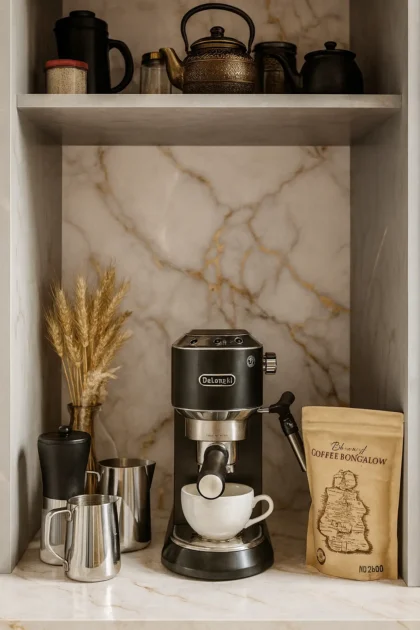
Coffee station

For many of us working from home, the day doesn’t truly begin until the first cup of coffee is in hand. As a remote worker, my morning coffee is more than just a jolt of caffeine; it’s a cherished ritual. The process of grinding beans, brewing, and taking that first sip is a quiet moment that grounds me before a day of deadlines and digital meetings. It’s a productivity tool and a form of meditation all in one.

This realization led me to create my own dedicated home coffee setup. Having this small corner has transformed my workday, boosting my focus, creativity, and sense of calm. If you want to elevate your daily grind, this guide will walk you through how to build the perfect home coffee bar in 2025, turning your kitchen counter or desk corner into a personal café.

Why You Deserve a Coffee Corner at Home

Creating a dedicated space for your coffee is about more than just convenience. It’s an investment in your daily well-being. The benefits of a proper home coffee setup extend far beyond just having a drink within arm’s reach.

First, there are the cost savings. That daily trip to the local coffee shop adds up quickly. By brewing at home, you can enjoy cafe-quality drinks for a fraction of the price. Second, it offers unparalleled convenience. There’s no need to get dressed or wait in line when your personal barista station is just a few steps away.

More importantly, it fosters a sense of mental relaxation and mindfulness. The act of brewing coffee forces you to slow down and focus on the task at hand. For those of us who spend hours coding or in back-to-back meetings, coffee is not just caffeine; it’s a moment of calm between commits. It’s a creative stimulant that recharges your mind and prepares you for the next challenge.

The Essential Gear for a Perfect Home Coffee Setup (2025 Edition)

Building your beginner barista kit is the heart of this journey. You don’t need to buy everything at once, but investing in quality pieces will make a world of difference. Here’s the best coffee gear to create the best coffee bar setup for home.

Coffee Machine: Espresso or French Press?

Your brewing method is the foundation of your coffee corner. The choice between an espresso machine and a French press often comes down to your taste preference and how much time you want to invest.

  • Espresso Machine: If you crave rich, concentrated shots for lattes, cappuccinos, or a quick Americano, an espresso machine is for you. A model like the DeLonghi Dedica Pump offers a fantastic entry point without taking up too much counter space. It delivers consistent pressure and allows you to practice your barista skills.
  • French Press: For those who appreciate simplicity and a full-bodied, robust cup, the French press is an excellent choice. It’s an immersion brewing method that’s forgiving for beginners and highlights the deep, rich flavors of your coffee beans.
FeatureEspresso MachineFrench Press
Best ForLattes, cappuccinos, strong shotsRich, full-bodied coffee
SpeedFast (under 1 minute per shot)Slower (4-5 minute brew time)
EffortMore hands-on, requires learningSimple and straightforward
CostHigher initial investmentVery affordable

Grinder: The Heart of Your Coffee Flavor

If you buy only one piece of quality gear, make it a burr coffee grinder. Pre-ground coffee loses its flavor and aroma rapidly. Grinding your beans just before brewing is the single most impactful step you can take to improve your coffee’s taste.

A burr grinder crushes beans between two revolving abrasive surfaces, resulting in a consistent and uniform grind size. This consistency is crucial for an even extraction and a balanced cup. Blade grinders, on the other hand, chop beans inconsistently, leading to a mix of fine dust and large chunks that can make your coffee taste both bitter and sour.

For a detailed look at the best options available, check out our guide to the Best Burr Grinders for Home Baristas.

Pitchers and Canisters: Keep Things Fresh and Organized

To keep your setup looking professional and your ingredients at their best, a few key accessories are essential.

A stainless steel milk frothing pitcher is a must-have if you plan to make lattes or cappuccinos. The metal helps you gauge the milk’s temperature as it heats, and a well-designed spout is crucial for practicing latte art. These pitchers are one of the most important latte art tools you can own.

Equally important is an airtight coffee canister. Coffee’s greatest enemies are air, light, heat, and moisture. A proper canister protects your precious beans from these elements, preserving their freshness and flavor for longer.

To find the right one for your needs, see our review on How to Choose the Perfect Pitcher for Latte Art.

Tamping & Coffee Station Setup

A dedicated coffee station, even a small one, helps keep your space clean and organized. A tamping mat is a small but mighty tool for espresso lovers. It provides a non-slip surface to press your coffee grounds into the portafilter, protecting your counter from scratches and coffee spills. If you’re looking for a quality option, check out our recommended Tamping Mats here and this highly-rated Tamping Mat.

Think about ergonomics, especially if you have limited space. A small tray can corral all your tools, while a designated drawer can keep filters and accessories out of sight.

Optional Tools for the Aspiring Home Barista

Once you have the basics, these optional tools can elevate your coffee from good to truly exceptional.

  • Digital Coffee Scale: For ultimate consistency, a coffee scale is a game-changer. It allows you to measure your beans and water with precision, ensuring you can replicate that perfect cup every single time.
  • Thermometer: A small digital thermometer helps you hit the perfect milk temperature (around 140-150°F or 60-65°C) for silky microfoam without scalding it.
  • Latte Art Pen: Feeling creative? A latte art pen lets you etch intricate designs into your foam, adding a final artistic touch.

Learn more about why accuracy matters in our article, Why You Need a Coffee Scale.

How to Design Your Home Coffee Corner

Your coffee bar at home should be a space that inspires you. Whether it’s a full cart or just a corner of your counter, thoughtful design makes a difference.

Choose a small table, a dedicated tray, or a floating shelf to define the space. Good lighting is key—an under-cabinet LED strip can illuminate your workspace and create a cozy café ambiance. Use mug racks or hooks to display your favorite cups, adding a personal touch. Aim for minimalist organization to keep the area from feeling cluttered. Most importantly, personalize it. This is your mini café, a space designed for you.

Maintaining Your Coffee Gear

A great home coffee setup requires a little love and care. Regular cleaning and maintenance ensure your gear lasts longer and your coffee always tastes its best.

Clean your grinder regularly to prevent old oils from turning rancid and tainting your coffee’s flavor. Descale your espresso machine according to the manufacturer’s instructions to prevent mineral buildup. Always wipe the steam wand immediately after frothing milk, and rinse your French press thoroughly after each use. Think of it this way: caring for your coffee setup is like caring for your creativity.

Elevate Your Experience with Coffee Subscriptions

If you want to keep your home coffee bar stocked with fresh and exciting beans, consider signing up for a coffee subscription. Many reputable companies now offer monthly coffee deliveries, tailoring selections to your taste preferences and brewing style. Subscriptions not only introduce you to new roasters and single origins, but they also ensure you never run out of quality coffee at home.

Explore these recommended subscriptions:

  • https://volcanocoffeeworks.com/
  • https://atlascoffeeclub.com/

Conclusion: Turn Every Cup Into a Ritual

Building a home coffee setup is more than just collecting the best coffee gear. It’s about creating a personal ritual that fuels your productivity and brings a moment of peace to your busy day. It’s an invitation to slow down, engage your senses, and craft something wonderful with your own hands.

With the right tools and a bit of practice, you can transform your daily coffee into an experience you look forward to every morning. Start building your corner of calm today, and turn every cup into a ritual worth savoring.

Master Stunning Latte Art at Home: The Must-Have Gear

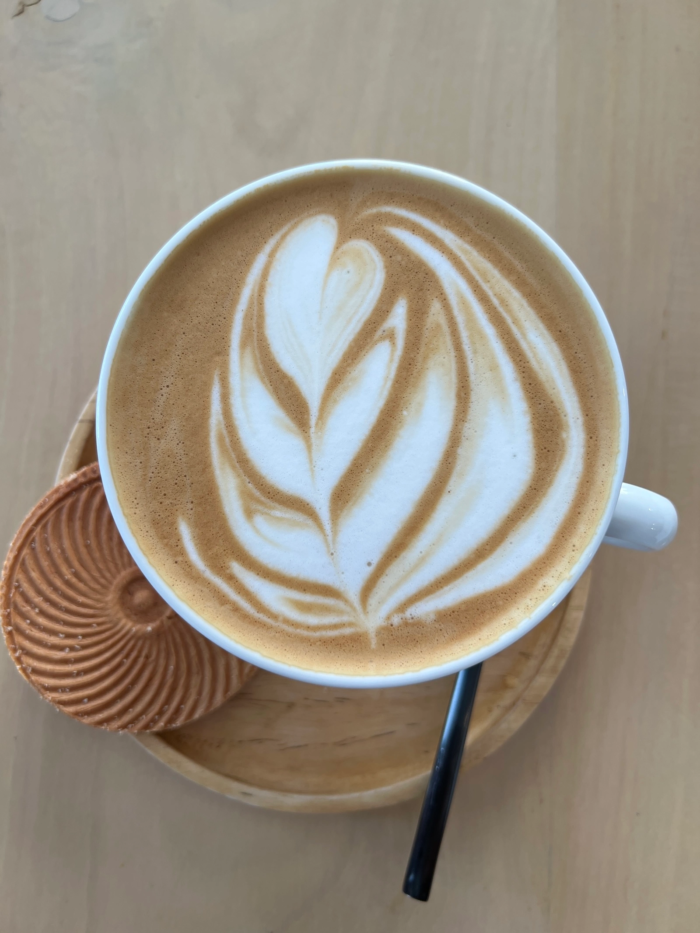
Latte art at home with tulip-shaped milk foam poured into freshly brewed espresso

Have you ever watched a barista effortlessly pour a beautiful rosetta onto a latte and thought, “I could never do that”? Well, it’s time to pour that doubt down the drain! Creating your own latte art at home is not only possible, but it’s also easier and more accessible than you might think. You don’t need a thousand-dollar espresso machine to start painting with milk. With a few key latte art tools and a sprinkle of practice, you can transform your morning coffee into a canvas for creativity. The journey to mastering Latte Art at Home starts here.

Forget the intimidating cafe setups. This guide is all about showing you how to make latte art at home with a minimal, budget-friendly approach. We’ll explore the essential gear, tackle common questions, and point you toward resources that will get you pouring with confidence. Ready to unlock your inner artist and elevate your coffee game?

When you embrace the art of Latte Art at Home, you’re not just making coffee; you’re creating an experience.

You Don’t Need a Fancy Machine!

With practice, you’ll be amazed at how quickly you can get the hang of Latte Art at Home and impress your friends.

The right mindset is crucial when it comes to Latte Art at Home. Keep it fun and enjoy the process!

Investing in good tools will enhance your experience with Latte Art at Home significantly.

Remember, the goal of Latte Art at Home is to enjoy your coffee while expressing your creativity.

Let’s clear the air right away. The biggest myth about latte art is that it requires a high-end espresso machine with a powerful steam wand. While those machines are fantastic, they are absolutely not a requirement for getting started.

The secret to latte art lies in one thing: perfectly textured microfoam. This is milk that has been aerated just enough to become silky, glossy, and paint-like. And here’s the good news: you can achieve this texture without a big, expensive machine. The key is using tools you might already have or can get for a fraction of the cost. This is where methods for making latte art at home without machine magic come into play.

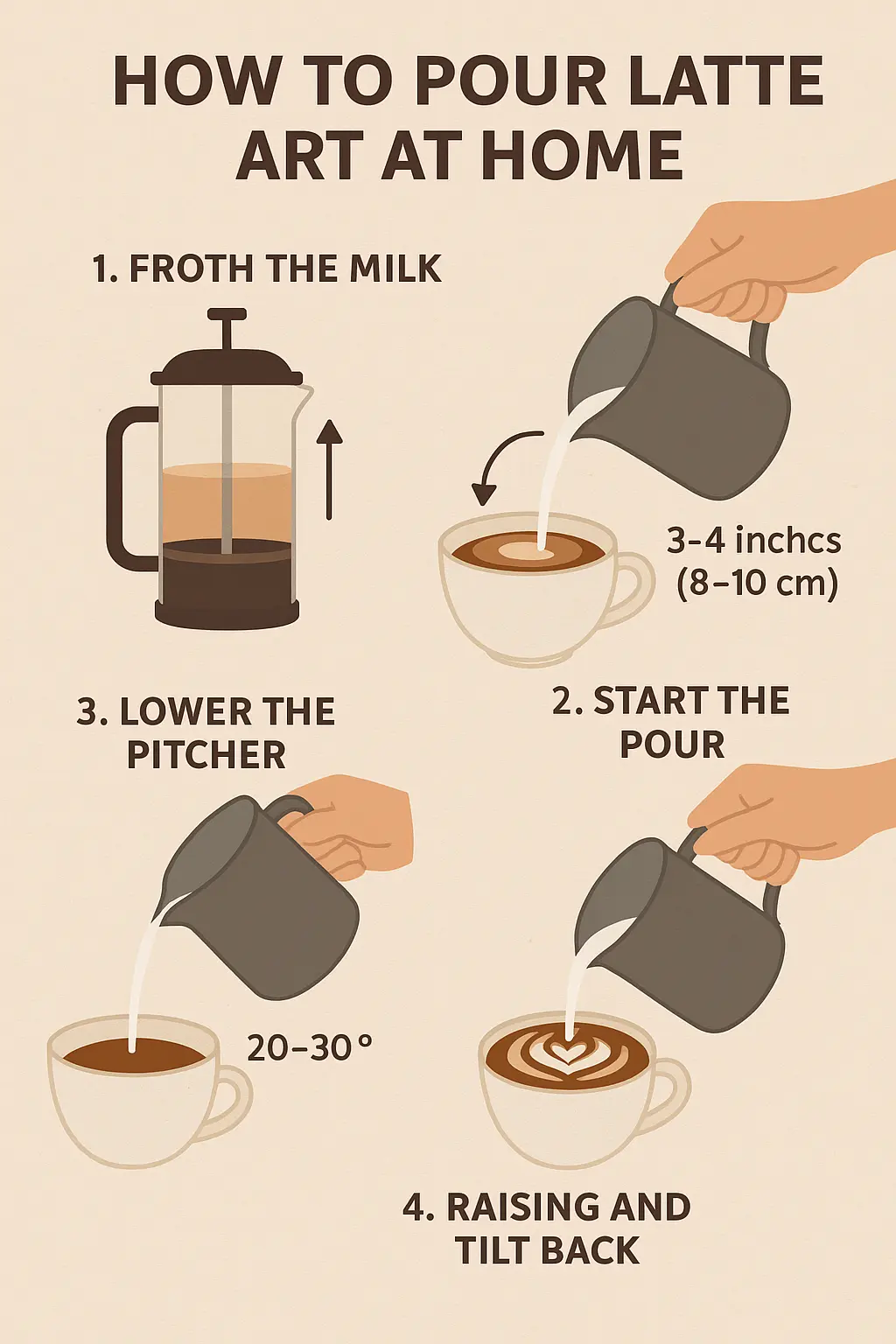
A simple French press, or plunger, can double as a fantastic manual milk frother. By pumping the plunger up and down in warm milk, you can introduce air and create a surprisingly good microfoam. Paired with the right milk frothing pitcher, you have a powerful duo for your artistic journey.

You’ll find that Latte Art at Home can be even more rewarding than you expected.

Embrace the challenge of Latte Art at Home and watch your skills flourish.

The joy of Latte Art at Home is in the details. Pay close attention to your technique.

Choosing the right method for Latte Art at Home can make all the difference in your results.

The Essential Toolkit for the Home Artist

To start pouring your own designs, you only need a few simple items. This isn’t about collecting clutter; it’s about getting the tools that deliver real results.

Steps to pour latte art without machine

1. The Mighty Milk Frothing Pitcher

The world of Latte Art at Home is filled with endless possibilities for creativity.

Making Latte Art at Home can help you appreciate the artistry behind your coffee.

Practice makes perfect, so keep experimenting with Latte Art at Home.

If there is one non-negotiable tool, this is it. A dedicated milk frothing pitcher is designed specifically for creating microfoam and giving you the control needed for pouring. Its stainless steel construction helps you gauge the milk’s temperature by touch, and its most important feature is the spout. A well-defined spout acts like a pen, giving you the precision to draw fine lines and shapes.

Try different techniques to enhance your Latte Art at Home experience.

Trying to pour from a mug or a standard kitchen jug just won’t work. You’ll end up with a foamy blob instead of a delicate heart. If you want to dive deeper into choosing the perfect partner for your coffee creations, be sure to check out our complete guide on The Best Milk Frothing Pitchers for Latte Art.

2. A Way to Froth Your Milk

As we mentioned, no espresso machine is needed! Here are two simple options:

  • French Press (Plunger): Warm your milk (don’t boil it!), pour it into your French press, and plunge vigorously for about 30-60 seconds. This will create a lovely, dense foam.
  • Handheld Frother: These small, battery-operated whisks are inexpensive and effective. They are great for aerating milk right in your pitcher.

3. Something to Pour Into

Your journey in Latte Art at Home will be uniquely yours.

You need a base for your art. While a shot of espresso provides the traditional dark canvas, you can absolutely make latte art with regular coffee. Just brew a strong cup of drip coffee or French press coffee and pour it into a wide-mouthed mug. The key is to have a dark surface that will contrast with the white microfoam.

Answering Your Burning Latte Art Questions

Let’s tackle some of the most common questions aspiring home baristas have.

Can you make latte art with almond milk?

Yes, you absolutely can! However, not all non-dairy milks are created equal. For the best results with almond milk, look for a “barista blend” or “barista series.” These versions are specially formulated with added proteins and fats that help them steam into a stable, silky microfoam, much like dairy milk. Regular almond milk often has a lower protein content and can produce a thin, bubbly foam that’s difficult to pour. The same goes for oat, soy, and other plant-based milks—always reach for the barista blend if you can!

Can you make latte art with regular coffee?

Definitely! While the rich, dark crema of an espresso shot creates the ideal canvas, a strong cup of regular coffee works just fine. To get the best contrast, use a dark roast and make your brew a little stronger than usual. Fill your mug about halfway to leave plenty of room for your milky masterpiece. The art might not be as sharply defined as with espresso, but it’s a fantastic way to practice your pouring skills.

Celebrate your progress with Latte Art at Home and enjoy each cup.

Common Mistakes and How to Swirl Past Them

Your first few attempts might not look like a perfect swan, and that’s completely okay! Every artist makes mistakes. Here are a few common ones to watch out for:

  • Overheating the Milk: Boiling your milk will ruin its structure and taste. It should be hot to the touch, but not so hot that you can’t hold the pitcher for a few seconds. Aim for around 140-150°F (60-65°C).
  • Creating Bubbly Foam: If your foam looks more like bubble bath than wet paint, you’ve incorporated too much air. Try to be gentler with your frothing, and always give the pitcher a few good taps on the counter to pop any large bubbles before you pour.
  • Pouring from Too High: Starting your pour from high up helps the milk dive under the coffee’s surface. But to create the design, you need to bring the spout of your pitcher very close to the surface of the drink. This allows the white foam to float on top and form your pattern.
  • Pouring Too Fast or Too Slow: A steady, confident pour is key. Pouring too quickly will cause everything to mix together, while pouring too slowly can cause the foam to get stuck in the pitcher. It’s all about finding that happy medium.

Ready for a Visual Guide?

Reading about technique is one thing, but seeing it in action can make all the difference. This video tutorial is a fantastic resource for watching the pouring motion and learning the basic shapes.

Check out this awesome tutorial: https://www.youtube.com/watch?v=SiefJJv-Qho

Start Your Artistic Journey Today

Latte art at home is a fun, rewarding skill that turns a simple cup of coffee into a moment of joy. It’s a practice of patience and creativity, not a quest for perfection. So, grab a milk frothing pitcher, warm up some milk, and start playing. Your canvas is waiting for your next Latte Art at Home masterpiece!

The Best Milk Frothing Pitchers for Latte Art (2026 Guide)

latter art pitcher

Every coffee enthusiast who dreams of pouring a perfect rosetta or a delicate heart into their morning latte knows that the journey begins long before the milk hits the espresso. It starts with the right tools, and few are as crucial as the humble Milk Frothing Pitchers. For both the aspiring home barista and the seasoned café professional, this simple-looking jug is the key to transforming milk into velvety microfoam—the silky, paint-like texture essential for beautiful and delicious drinks.

Having the right Milk Frothing Pitchers is essential for anyone who truly appreciates the art of coffee making.

Investing in quality Milk Frothing Pitchers will significantly improve your milk texture and pouring technique.

There are many types of Milk Frothing Pitchers available, each designed for specific purposes and styles.

When selecting Milk Frothing Pitchers, consider the spout design and material for best results.

Using high-quality Milk Frothing Pitchers can take your latte art to a professional level.

Properly designed Milk Frothing Pitchers not only aid in frothing but also enhance your pouring control.

The choice of Milk Frothing Pitchers can significantly affect the outcome of your latte art.

The right Milk Frothing Pitchers doesn’t just hold your milk; it influences its texture, temperature, and the very flow that creates your designs. Choosing the correct one can be the difference between a blob of foam and a masterpiece. This guide will walk you through everything you need to know, from understanding the core features to our top picks for 2025, ensuring you have the perfect partner for your coffee creations.

Different Milk Frothing Pitchers serve unique purposes, so choosing wisely is crucial.

With the right Milk Frothing Pitchers, you can achieve a perfect velvety texture for your drinks.

Learning how to use Milk Frothing Pitchers effectively will improve your skills tremendously.

Measurement markings on Milk Frothing Pitchers help with consistency in your drinks.

What are Milk Frothing Pitchers?

The right size of Milk Frothing Pitchers can make a significant difference in your frothing technique.

Smaller Milk Frothing Pitchers are ideal for practicing delicate designs.

Versatile Milk Frothing Pitchers can cater to various types of beverages.

A Milk Frothing Pitchers is a specially designed container used to steam milk with an espresso machine’s steam wand. Its primary role is to create a swirling vortex that evenly heats the milk while incorporating air, breaking down large bubbles into a smooth, uniform microfoam.

With the right techniques using Milk Frothing Pitchers, you can enhance your coffee experience.

Consider investing in specialized Milk Frothing Pitchers for your favorite coffee drinks.

Ultimately, the best Milk Frothing Pitchers will depend on your personal preferences.

Using quality Milk Frothing Pitchers is essential for achieving the perfect texture.

When you master the art of using Milk Frothing Pitchers, the possibilities are endless.

Each of these Milk Frothing Pitchers serves a unique purpose in your coffee routine.

Understanding how each of the Milk Frothing Pitchers works will make you a better barista.

Look for Milk Frothing Pitchers that offer a good balance of quality and price.

Many baristas prefer specific Milk Frothing Pitchers for their unique features.

Investing in multiple Milk Frothing Pitchers can enhance your coffee-making experience.

But it’s more than just a standard kitchen jug. A well-designed frothing pitcher is engineered for coffee. The shape, material, and spout are all optimized for frothing and pouring. Temperature control is one of the most critical aspects of steaming milk. The ideal temperature for milk froth is between 140-155°F (60-68°C). Any hotter, and the proteins in the milk begin to break down, losing sweetness and creating a less stable foam. A quality pitcher, typically made of stainless steel, allows you to gauge the temperature by touch, giving you a tactile sense of when to stop steaming.

For those serious about coffee, high-end Milk Frothing Pitchers are worth considering.

Additionally, proper maintenance of your Milk Frothing Pitchers is crucial for longevity.

Why the Pitcher Matters for Latte Art

In conclusion, selecting the perfect Milk Frothing Pitchers will enhance your coffee experience.

Many coffee lovers swear by their Milk Frothing Pitchers for achieving the ideal foam.

Ultimately, the right Milk Frothing Pitchers will resonate with your personal coffee style.

As you explore different Milk Frothing Pitchers, you’ll discover what works best for you.

Don’t hesitate to experiment with various Milk Frothing Pitchers for your perfect pour.

A common question from beginners is, does the pitcher affect latte art? The answer is a resounding yes. Your pitcher is as important as your canvas and paintbrush. Here’s why:

  • Spout Shape: The spout is the single most important feature for latte art. A sharp, well-defined spout gives you the precision needed for intricate designs like rosettas and tulips. A wider, more rounded spout is better for simpler designs like hearts.
  • Control and Handling: The weight, balance, and handle design of a pitcher determine how comfortable and controlled your pour is. A pitcher that feels like an extension of your hand allows for a steady, confident flow.
  • Size: The size of the pitcher affects how the milk swirls and stretches. Using a pitcher that is too large for the amount of milk can make it difficult to create a proper vortex, while one that is too small can lead to overflow and poorly textured foam.

The material also plays a huge role. Stainless steel is the industry standard because it conducts heat effectively, allowing you to monitor the temperature by feeling the side of the jug. The smooth interior surface helps the milk roll smoothly, creating that perfect microfoam without unwanted friction. Furthermore, many modern pitchers include internal measurement scales, which help you reduce milk waste and achieve consistent results every single time.

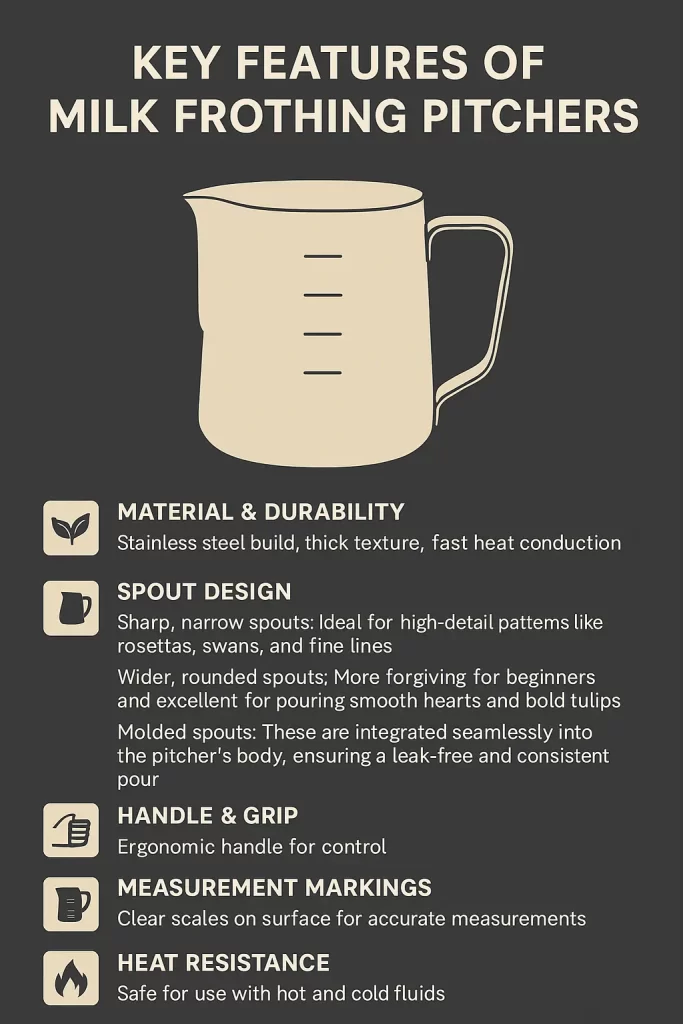
llustration showing key features of a milk frothing pitcher, including stainless steel material, spout design options, ergonomic handle, measurement markings, and heat resistance.
Milk frothing pitcher

Choosing the Right Size

What size milk frothing pitcher should I get?” is one of the most frequent questions from new baristas. The right size depends on the drinks you make most often. As a rule of thumb, you should fill your pitcher to just below the start of the spout, which is usually about one-third to half full. This leaves enough room for the milk to expand and froth without overflowing.

Here are the common sizes and their best uses:

  • 12oz (350ml): The perfect size for a single cappuccino or flat white. It’s the best milk pitcher size for latte art practice, as it minimizes milk waste and is easy to handle.
  • 20oz (550-600ml): A versatile all-rounder. This size is ideal for making one large or two small lattes. It’s large enough to create a great vortex but small enough for precise control.
  • 32oz (950ml): Best suited for a professional café environment or for home baristas who frequently make multiple drinks at once. It can be cumbersome for pouring detailed art but is excellent for texturing large quantities of milk.

For beginners, a 12oz or 20oz pitcher is the ideal starting point. Professionals often keep multiple sizes on hand to match the drink order.

Key Features to Look For

When shopping for the best milk pitchers for latte art, keep an eye out for these essential features.

1. Material & Durability

Stainless steel is the undisputed champion. It is durable, non-porous, easy to clean, and an excellent conductor of heat. This conductivity is vital, as it lets you feel the milk’s temperature progression, ensuring you stop steaming at the perfect moment.

2. Spout Design

The spout is your creative tool.

  • Sharp, Narrow Spouts: Ideal for high-detail patterns like rosettas, swans, and fine lines. They offer ultimate precision.
  • Wider, Rounded Spouts: More forgiving for beginners and excellent for pouring smooth hearts and bold tulips.
  • Molded Spouts: These are integrated seamlessly into the pitcher’s body, ensuring a leak-free and consistent pour.

3. Handle & Grip

A comfortable and ergonomic handle is crucial for a steady pour. An extended handle provides more distance from the hot pitcher, preventing burns and offering a different leverage point. Test how a pitcher feels in your hand; it should feel balanced and natural.

4. Measurement Markings

Internal measurement markings are a game-changer for consistency. Clear scales etched on the inside surface help you pour the exact amount of milk needed for each drink, reducing waste and ensuring your milk-to-espresso ratio is always spot-on.

5. Heat Resistance

Your pitcher must be able to handle rapid temperature changes. A quality stainless steel jug is safe for both hot steamed milk and cold fluids. This durability also means it can be easily sterilized, a must in a professional setting.

6. Can you put a milk frothing pitcher on the stove?

This is a critical safety question. The answer is no. Milk frothing pitchers are made from thin stainless steel designed for use with a steam wand. Placing them directly on a gas or electric stove can damage the pitcher, scorch the milk, and create a serious burn hazard. Stick to using your espresso machine’s steam wand or a separate stovetop-safe pot for heating milk.

Do You Need Two Pitchers for Latte Art?

You’ll often see professional baristas working with two pitchers. One, typically larger, is used for steaming the milk. They then transfer a portion of the frothed milk into a smaller, specialized latte art frothing pitcher for the pour. This technique, known as “splitting,” helps integrate the foam and milk perfectly and provides better control for intricate designs.

For home use, a single pitcher is usually enough to get started. However, as you advance, you might find that using a second, smaller pitcher for pouring elevates your art to the next level.

Featured Products (2025 Picks)

After extensive testing and review, we’ve compiled our list of the best milk frothing pitchers for 2025.

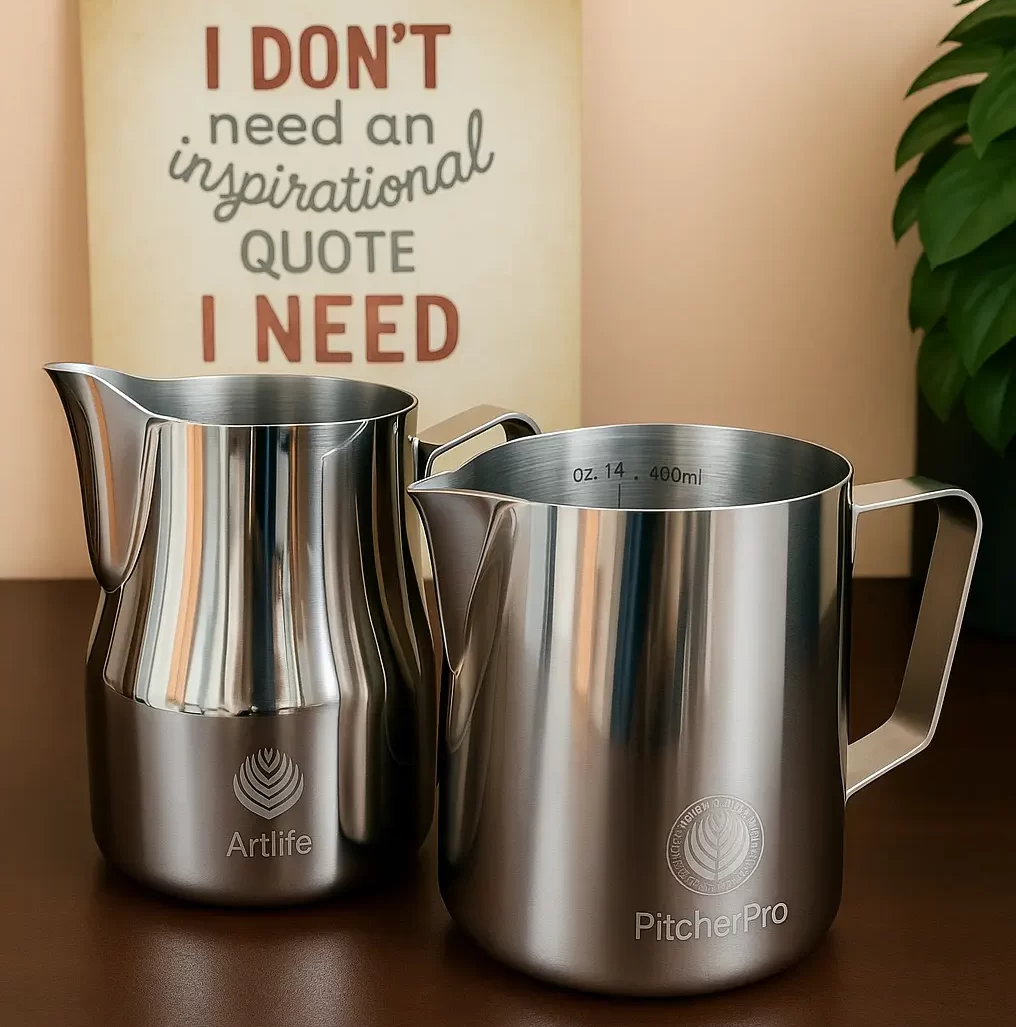
Milk Frothing Pitcher

This classic design is a fantastic entry point for any home barista. Its focus is on function and reliability.

  • Build: Made from thick, food-grade stainless steel, its sturdy texture ensures fast and even heat conduction, giving you real-time temperature feedback.
  • Design: The professional frothing pitcher opening and simple, elegant shape make it perfect for learning the fundamentals of milk frothing. Clear scales on the inner wall take the guesswork out of measuring.
  • Usability: It’s incredibly easy to clean and sterilize, making it a low-maintenance tool for daily use. The handle is comfortable and provides a secure grip.

This pitcher is perfect for those who want to master the basics of frothing before diving into complex art.

Latte Art Jug 550ml

When precision becomes your priority, this jug is designed to deliver. It’s built specifically for the art of the pour.

  • Spout & Handle: The perfectly molded, sharp spout ensures you have a dripless, consistent stream for detailed latte art. Its sturdy and extended handle keeps your hand safe from the hot metal and offers superior control during pouring.
  • Material: Constructed from high-quality, polished stainless steel, it not only looks contemporary but is also strong and built to last.
  • Versatility: At 550ml (around 20oz), this jug hits the sweet spot for versatility. It works perfectly with any espresso machine that has a milk frother and is suitable for preparing hot chocolate or other coffee drinks.

Best Picks Roundup

  • Best for Beginners – Amrules Frothing Pitcher (12oz):
    • With its clear measurement scale and forgiving spout, this is a fantastic learning tool. It helps you build muscle memory for frothing and pouring without wasting too much milk. The smooth mouth is specially designed to facilitate milk pools together to ensure a steady flow of milk froth.The Amrules milk frother pitcher comes with a 304 stainless steel latte art pen,
  • Best for Latte Art Precision – 550ml Latte Art Jug:
    • Its sharp spout and ergonomic handle make this the best latte art milk pitcher for baristas ready to tackle complex designs.
  • Budget Pick – Dailyart 250ml (8.5oz) Pitcher:
    • An affordable, smaller-sized option perfect for single-cup practice. Its dripless spout is surprisingly effective for its price point.
  • Professional Choice – Normcore Handleless Milk Pitcher:
    • The Normcore handleless frother pitcher has a unique handleless design to improve control and precision. The accurate spout is wide enough to accommodate a steam wand, and a small portion of exposed metal at the bottom of this milk froth cup allows for easy touch and testing of the milk’s temperature.

How to Use a Frothing Pitcher Correctly

Owning the right pitcher is only half the battle. Here’s a quick guide to getting that perfect microfoam.

  1. Fill It Up: Pour cold milk into your pitcher, filling it to just below the spout’s base.
  2. Purge the Wand: Before inserting the steam wand, turn it on for a second to clear out any condensed water.
  3. Aerate (Stretching): Submerge the tip of the steam wand just below the surface of the milk. Turn the steam on. You should hear a gentle “tearing” or “kissing” sound. This incorporates air. Let the milk expand by about 30%.
  4. Incorporate (The Vortex): Plunge the wand deeper into the milk, positioning it off-center to create a swirling vortex. This breaks down large bubbles and textures the milk into a silky microfoam. Continue until the side of the pitcher is too hot to comfortably hold.
  5. Groom the Milk: Turn off the steam and remove the wand. Wipe the wand immediately. Tap the pitcher on the counter to pop any large bubbles and swirl the milk to keep it integrated and glossy.

For pouring, start high to let the milk sink below the crema, then lower the pitcher to let the white foam rest on top, creating your design. Practice pouring simple hearts before moving on to tulips and rosettas.

FAQs

What size milk pitcher for latte art?
A 12oz (350ml) pitcher is best for single drinks and practice, while a 20oz (550ml) pitcher is a great all-around size for lattes.

Does pitcher affect latte art?
Absolutely. The spout shape dictates your pouring precision, while the pitcher’s size and shape influence the quality of your microfoam.

Can you put a milk frothing pitcher on the stove?
No. It is unsafe and can damage the pitcher and scorch the milk. Only use it with an espresso machine’s steam wand.

What’s the best latte art milk pitcher?
For precision, a pitcher with a sharp, narrow spout is best. For beginners, one with a more rounded spout and measurement marks is ideal.

Best milk pitchers for latte art on Amazon?
Brands like Amrules, Dailyart, and Adorever offer excellent, highly-rated options for all skill levels and budgets.

Conclusion

Choosing the right milk frothing pitcher is a small investment that pays huge dividends in the quality of your coffee drinks. It’s an essential tool that empowers you to create cafe-quality microfoam and beautiful latte art right in your own home. By understanding the key features—like spout design, material, and size—you can select a pitcher that will grow with you on your barista journey.

Whether you’re a beginner looking for a reliable tool to learn with or a pro seeking precision, there is a perfect pitcher out there for you.

Ready to elevate your coffee game? Check out Amazon’s best-rated milk frothing pitchers today and start pouring your own

Specialty Coffee: A Complete Guide from Bean to Cup

Have you ever sipped a coffee so vibrant it made you stop and think? If so, you’ve tasted why so many people are obsessed with specialty coffee. This isn’t just a drink; it’s a movement focused on amazing quality, clear origins, and unique flavors that stand out from the average cup. For many, that first taste of a brew with notes of blueberry or jasmine is a “wow” moment. As a result, it can forever change how they see their morning ritual.

But what exactly makes a coffee a “specialty coffee”? It’s not just a fancy label. Instead, it shows a commitment to quality at every single step. This journey starts with the farmer and ends with the barista who brews your cup. This guide will pull back the curtain on the world of specialty coffee. Moreover, we’ll explain why it’s so different from what you find on most store shelves.

What is Specialty Coffee?

In simple terms, specialty coffee refers to coffee beans that score 80 points or higher on a 100-point scale. A certified coffee taster, known as a Q Grader, awards this score. A high score means the coffee has a distinct character and is free of major flaws. Erna Knutsen first used the term in 1974 to describe beans with unique flavors from special microclimates.

Unlike commercial coffee grown for mass production, specialty coffee celebrates uniqueness. Each batch tells the story of its origin—the soil, altitude, climate, and the people who grew it. In fact, you can often trace a bag of specialty beans to a single farm or cooperative. This transparency not only guarantees quality but also creates a fairer link between you and the coffee producers.

The Specialty Coffee Association (SCA)

The Specialty Coffee Association (SCA) is the main organization behind these high standards. The SCA is a global non-profit made up of coffee professionals, from farmers to baristas. They work to make coffee better by raising standards all over the world. To do this, they provide education, support research, and set the rules for coffee quality.

One of the SCA’s biggest contributions is its standard cupping protocol. This is the official process for tasting and scoring coffee. By creating a universal language, the SCA ensures that a score from a taster in Brazil means the same as one from a taster in Japan. Consequently, this gives the term “specialty coffee” its authority.

How Farmers Grow and Grade Specialty Coffee

The path to an amazing cup of coffee begins long before roasting. It all starts on the farm, where careful attention to detail is key.

Coffee-Growing Regions

Farmers typically grow specialty coffee in the “Bean Belt.” This is a region around the equator with high altitudes, rich soil, and stable climates. For example, countries like Ethiopia, Colombia, and Guatemala are famous for producing beans with complex flavors. The unique environment, or terroir, gives the coffee its distinct character, much like in wine production.

Harvesting and Processing

Unlike mass-market coffee, farmers usually hand-pick specialty coffee cherries. They select only the ripest, deep-red cherries to ensure the best sweetness and flavor. After harvesting, they process the cherries to remove the fruit and prepare the bean for drying. Some common methods include:

  • Washed: Workers scrub the fruit off before drying the bean. This process creates a clean, bright, and acidic cup.
  • Natural: They dry the whole cherry with the bean inside. This method gives the coffee fruity, sweet, and sometimes wine-like flavors.
  • Honey: Processors leave some of the fruit pulp on the bean while it dries. This creates a cup that balances the brightness of a washed coffee with the sweetness of a natural.

Grading Green Beans

Before roasting, experts grade the unroasted “green” beans. They inspect a sample for defects like insect damage or mold. To earn the specialty grade, a coffee must have zero major defects and very few minor defects. They also measure moisture content and bean size to ensure the beans will roast evenly.

Understanding the Cupping Score

So, how does a coffee earn the specialty label? The answer is a process called “cupping.” During a cupping, certified Q Graders analyze and score a coffee’s key attributes.

First, they evaluate several cups from the same batch to check for consistency. They smell the dry grounds, then the wet grounds. Afterward, they taste the coffee by slurping it to spray it across their palate. This technique helps them identify its flavor, aftertaste, acidity, body, and balance.

They score each attribute, and the final tally determines the coffee’s quality on a 100-point scale.

  • 80+ points: Qualifies as specialty coffee.
  • 85–89.99 points: Considered excellent.
  • 90–100 points: Outstanding and rare.

A high cupping score means a coffee is not only free of flaws but also has exceptional and pleasing qualities.

Criteria for Specialty Coffee

To truly understand specialty coffee, it helps to know the specific criteria tasters use.

Green Bean Quality

  • Defects: Specialty coffee allows for almost no major defects (like sour beans) and only a few minor defects (like broken beans).
  • Moisture Content: The ideal moisture level is between 10% and 12%. If it’s too dry, the bean loses flavor. On the other hand, if it’s too wet, it can develop mold.
  • Size & Uniformity: Workers sort the beans to a consistent size. This ensures they roast evenly.

Cup Quality

This is where the sensory experience truly matters. Q Graders look for:

  • Fragrance/Aroma: The smell of the coffee, both dry and wet.
  • Flavor: The main tastes you notice when you sip the coffee.
  • Aftertaste: The flavor that lingers after you swallow. A great coffee has a pleasant, clean finish.
  • Acidity: This is the “brightness” or “liveliness” in a coffee, not sourness.
  • Body: The weight or feel of the coffee in your mouth. It can be light and tea-like or heavy and creamy.
  • Balance: How well all the elements work together.
  • Sweetness: The natural sugars that create a smooth, pleasant taste.
  • Clean Cup: The absence of any distracting off-flavors.
  • Uniformity: Each cup from the same batch should taste the same.
Infographic showing cup quality criteria evaluated by Q Graders, including fragrance and aroma, flavor, aftertaste, acidity, body, sweetness, and clean cup.
Cup Quality: What Q Graders Look For
Key sensory attributes used by certified Q Graders to evaluate specialty coffee quality.

Traceability & Sustainability

Knowing where your coffee comes from is a core part of the specialty coffee movement. This includes:

  • Traceability: You can trace the coffee back to its origin, often to a single farm. This transparency guarantees authenticity.
  • Sustainability: This focuses on eco-friendly farming and paying farmers fair wages. When you buy specialty coffee, you often support a more ethical supply chain.

Top Specialty Coffee Tools & Beans We Love

How to Make Specialty Coffee at Home

Brewing specialty coffee at home is easier than you might think. With the right gear and a little practice, you can unlock incredible flavors.

Essential Gear

  • Quality Beans: Always start with freshly roasted whole beans from a trusted roaster.
  • Burr Grinder: This is the most important tool for better coffee. A burr grinder gives you a consistent grind size, which is key for even extraction.
  • Digital Scale: A good digital scale helps you measure your coffee and water accurately. As a result, you can repeat that perfect cup every day.
  • Brewer: Choose a method that fits your taste.

Brewing Methods

  • Pour-Over (e.g., Hario V60, Chemex): This method gives you total control. It makes a clean, bright cup that lets delicate flavors shine.
  • French Press: This immersion method creates a full-bodied, rich cup with a heavier mouthfeel because its filter allows more oils to pass through.
  • Espresso: An espresso machine makes a concentrated shot of coffee. It is the base for lattes but is also a great way to taste the intense flavors of a bean.

Premium Coffee vs. Specialty Coffee

You may see bags labeled “premium” or “gourmet” in the store. While these sound good, they are not the same as specialty coffee.

  • Premium Coffee: This is mostly a marketing term. It suggests higher quality, but there is no official standard to back it up.
  • Specialty Coffee: This is an official grade. A certified professional has scored it 80 points or higher based on strict protocols.

Essentially, a “premium” coffee might taste fine, but a specialty coffee will offer a complex and clean cup with distinct notes like lemon or peach. That clarity and depth are what set it apart.

Read about my experience tasting specialty coffee in Thailand.

Conclusion

Specialty coffee is more than a simple drink; it’s a craft that celebrates quality and human connection. It represents the best that coffee can be, thanks to the hard work of people from farm to cup. Now that you understand the criteria that define it, you can better appreciate the care in every bag.

Exploring specialty coffee is an exciting upgrade to your daily routine. You’ll discover a world of flavor you never knew existed.

If you want to start brewing specialty coffee at home, check out our recommended beans and gear to begin your flavor adventure today.

Find the Best Digital Coffee Scales for Consistent Brews

coffee scale

If you’ve ever wondered why your home-brewed coffee tastes different every day, the answer might be simpler than you think: consistency. The secret to unlocking cafe-quality coffee in your kitchen isn’t just about the beans or the grinder; it’s about precision. This is where a digital coffee scale becomes the unsung hero of your morning ritual. It transforms brewing from a guessing game into a science, ensuring every cup is as perfect as the last.

A coffee scale allows you to measure your coffee grounds and water with gram-level accuracy, giving you complete control over your brew ratio—the single most important factor in coffee extraction. Forget using scoops or measuring cups; they introduce variability that can lead to a cup that’s either disappointingly weak or unpleasantly bitter.

This guide will walk you through everything you need to know about the best digital coffee scale options for 2025. We’ll review the top models, explain why they’re superior to a standard kitchen scale, and show you how to use one to elevate your daily brew. Get ready to transform your coffee experience from good to exceptional.

Why Use a Coffee Scale Instead of a Kitchen Scale?

You might be wondering, “What’s the big deal? I already have a kitchen scale.” While a basic kitchen scale is better than no scale at all, there’s a significant difference in a coffee scale vs a kitchen scale debate.

  1. Precision: Coffee scales typically measure in 0.1-gram increments. Most kitchen scales only measure in full 1-gram increments. When you’re brewing a single cup of coffee with 15 grams of grounds, a 1-gram variance is nearly 7% of your total dose, which is enough to drastically alter the taste. This precision is essential.
  2. Response Time: Coffee scales are designed with fast response times. When you’re doing a pour-over, you need to see the weight of the water you’re adding in real-time to control your flow rate. Many kitchen scales have a noticeable lag, making it impossible to pour accurately.
  3. Built-in Timer: Most dedicated coffee scales come with a built-in timer. This allows you to track your dose, water weight, and extraction time all on one device, streamlining your workflow. A coffee scale with a timer is a non-negotiable feature for pour-over enthusiasts.
  4. Size and Water Resistance: Coffee scales are designed to fit on a drip tray of an espresso machine or under a pour-over dripper. They are also often built with water resistance in mind, protecting them from the inevitable spills that happen during brewing.

How to Use a Coffee Scale for Brewing

Using a coffee scale is simple and will instantly improve your consistency. Here’s how to use coffee scale for a standard pour-over:

  1. Place and Tare: Place your brewer and filter on the scale and press the “tare” (or zero) button. This resets the weight to zero.
  2. Dose Your Coffee: Add your whole coffee beans to the filter and check the weight. Adjust until you have your desired dose (e.g., 20 grams).
  3. Tare Again: Place your entire setup, now with the coffee grounds, onto your cup or carafe on the scale. Press “tare” again so the display reads zero.
  4. Start the Timer and Bloom: Start the timer and pour a small amount of water (usually double the weight of the coffee, e.g., 40 grams for a 20g dose) to saturate the grounds. This is the “bloom.”
  5. Continue Pouring: After about 30-45 seconds, continue pouring water in slow, controlled circles until you reach your target water weight (e.g., 320 grams for a 1:16 ratio). Try to hit your final weight around the 2:30-3:00 minute mark.
  6. Enjoy: Once the water has drawn down, your perfectly brewed coffee is ready.
A step-by-step infographic showing how to use a coffee scale for brewing, including taring the scale, weighing coffee beans, blooming, and controlled pouring for accurate extraction.
How to Use a Coffee Scale for Brewing:
Follow these four simple steps to measure coffee and water accurately for a more consistent and better-tasting brew.

Can a Coffee Scale Be Used for Food?

Absolutely! The question, can a coffee scale be used for food?, is a common one. Because of their high precision, coffee scales are excellent for any kitchen task that requires accuracy. They are perfect for baking, where precise measurements of yeast, salt, or spices can make or break a recipe. They are also useful for portion control and measuring ingredients for cocktails. A coffee scale is simply a more accurate version of a kitchen scale, making it a versatile tool for any home cook.

Coffee Scale for Espresso – Why Precision Matters

When it comes to espresso, precision matters even more than with other brewing methods. A tiny change in dose or yield can quickly turn a great shot into something sour or overly bitter. That’s why pairing a reliable digital coffee scale with your espresso machine is essential for consistent results.

A good coffee scale for espresso should offer:

  • 0.1-gram accuracy – allowing you to dial in both dose and yield with confidence.
  • Compact size – small enough to sit comfortably on the drip tray of an espresso machine without getting in the way.
  • Fast response time – so you can monitor the liquid espresso as it extracts and stop the shot at exactly the right weight.

All the scales reviewed here — especially the Hario Polaris and Acaia Pearl — perform exceptionally well for espresso thanks to their precision, speed, and compact design, making them excellent companions for home and prosumer espresso setups.

Coffee Scale with Timer – A Must for Pour-Over

For brewing methods like pour-over, French press, or AeroPress, time is just as important as weight. The total contact time between the water and coffee grounds directly impacts extraction. A coffee scale with a timer is essential because it integrates these two critical variables into one device. You can monitor your pour rate and total brew time without needing a separate phone or timer, simplifying your process and helping you repeat that “perfect cup” day after day.

Top 4 Digital Coffee Scales Reviewed

We’ve tested and analyzed the top contenders on the market to help you find the perfect scale for your needs and budget. Here are our top picks for 2025.

Maestri House S3 Coffee Scale

Overall Rating

Check Price on Amazon

The Maestri House S3 Coffee Scale is a feature-packed, barista-grade scale designed to meet the needs of both home brewers and professionals. With high-precision 0.1g accuracy and rapid response times, the S3 ensures your coffee-to-water ratios are spot-on, whether you’re brewing pour-over, espresso, or French press.

This scale stands out for its large, easy-to-read LCD and a built-in timer that lets you simultaneously monitor weight and brew time—essential for perfecting your extraction. The adjustable auto-timer function is especially handy for pour-over enthusiasts looking to streamline their process. Backed by a strong build, the S3 features a rechargeable battery for eco-friendly convenience and extended use, a non-slip silicone mat for steadiness, and water resistance for worry-free daily use.

Its generous 3,000g capacity with ultra-fine increments means it’s versatile enough for larger brews or food measurements, making it a reliable tool for every corner of your kitchen.

Pros

  • High-precision (0.1g) measurement and fast, real-time response.
  • Integrated timer with auto-start feature for convenience.
  • Rechargeable via USB-C—no more buying batteries.
  • Water-resistant body and non-slip silicone mat.
  • Large 3,000g capacity for coffee and food use.

Cons:

  • LCD display may be harder to read in some lighting conditions.
  • Slightly bulkier than ultra-compact espresso-only scales.

Best for: Home baristas and coffee lovers wanting a versatile, accurate scale with both timer and high capacity—ideal for pour-over, espresso, and general kitchen use.

TimeMore Black Mirror Pro

Overall Rating

Check Price on Amazon

The Timemore Black Mirror Pro strikes an incredible balance between functionality, style, and price. It offers many of the features found in high-end scales without the premium cost, making it a favorite among home baristas looking for a serious upgrade. Its sleek, minimalist design with a matte black finish and hidden LED display looks fantastic on any countertop.

This scale features a coffee scale with timer functionality, and it’s highly responsive with 0.1-gram accuracy. The standout feature is its auto-timing mode for pour-over; the timer starts automatically when it detects the first drop of water, allowing you to focus entirely on your pouring technique. It also includes a physical on/off switch to prevent accidental battery drain and is conveniently USB-C rechargeable. The included silicone pad protects the surface from heat and spills, adding to its durability.

Pros:

  • Excellent value for the price.
  • Accurate to 0.1g with a responsive display.
  • Auto-timing function for pour-over is a fantastic feature.
  • USB-C rechargeable.
  • Stylish design with a protective silicone mat.

Cons:

  • The touch buttons can be slightly sensitive.
  • Slightly slower response time compared to the Acaia Pearl.

Best for: The home brewer who wants premium features like auto-timing and great accuracy without the highest-end price tag.

Hario V60 Drip Coffee Scale

Overall Rating

Check Price on Amazon

No list of essential coffee gear would be complete without mentioning a classic from Hario, the company that revolutionized pour-over coffee. The Hario V60 Drip Coffee Scale is an iconic, no-frills workhorse designed specifically for the pour-over enthusiast. It’s a testament to the idea that you don’t need a dozen complex features to achieve a perfect brew—just accuracy and reliability.

The V60 Drip Scale is celebrated for its simplicity and function-first design. It’s built to work seamlessly with the Hario V60 dripper and server, creating a stable and cohesive brewing station. The scale measures in 0.1-gram increments for the first 200 grams, providing the precision needed to dial in your coffee dose perfectly. After that, it measures in 0.5-gram increments, which is more than adequate for tracking your water weight during the pour.

Its most crucial feature is the integrated timer. This allows you to monitor your dose, time, and water volume all on one clear, easy-to-read LCD screen, streamlining your workflow. You no longer have to juggle a separate timer or your phone while trying to focus on a consistent pour. The scale powers down automatically after five minutes of inactivity (when the timer isn’t in use), which helps preserve battery life. It’s a simple, effective tool that does its job exceptionally well.

Pros:

  • Excellent accuracy for dosing and brewing (0.1g increments).
  • Integrated timer for a streamlined pour-over process.
  • Designed to perfectly fit the Hario V60 dripper and carafe.
  • Simple, intuitive two-button operation.
  • Affordable and offers fantastic value for its performance.

Cons:

  • Basic plastic construction feels less premium than other models.
  • Not rechargeable; runs on two AAA batteries.
  • The auto-off feature can be inconvenient if you walk away mid-brew.

Best for: The pour-over purist, especially V60 users, who want a reliable, accurate, and affordable scale without unnecessary complexity. It’s the perfect entry point into precision brewing.

Greater Goods Coffee Scale

Overall Rating

Check Price on Amazon

The Greater Goods Coffee Scale stands out as a budget-friendly yet highly capable option for home baristas and coffee lovers who want reliable performance without spending a fortune. This scale delivers precision weighing, an easy-to-read dual display, and a handy timer—everything you need to up your pour-over, espresso, or French press game.

Designed with practicality and simplicity in mind, the Greater Goods scale offers 0.1-gram accuracy and a near-instant refresh rate, making it easy to dial in the perfect brew ratio. The large, backlit display features weight in white and a timer in bright orange for clear visibility from any angle. Its tactile physical buttons are intuitive and responsive, catering to users who prefer real buttons over touch interfaces. The removable silicone mat keeps your equipment stable and helps protect against spills and heat, while the entire build feels sturdy and designed for daily use.

This scale doesn’t just shine for coffee. With six measurement units and a generous 3 kg weight limit, it doubles as a versatile kitchen scale for baking and general food prep. Cleanup is straightforward—the silicone mat is dishwasher-safe, and the flat surface wipes down easily. The energy-saving auto-off timer conserves battery, and when the batteries eventually run low, swapping them out (AAA) is quick.

Pros:

  • Highly accurate (0.1g) for coffee and kitchen applications.
  • Fast refresh rate—ideal for tracking pour-over and espresso in real-time.
  • Simple, easy-to-read dual-line LCD.
  • Includes a built-in timer for complete brewing control.
  • Durable design with a grippy, heat-resistant, and dishwasher-safe silicone mat.
  • Excellent value for money.

Cons:

  • Runs on AAA batteries rather than being rechargeable.
  • No Bluetooth/app integration or smart features.
  • The low battery indicator only appears shortly before shutdown, which can surprise users mid-brew.

Best for: Home brewers and coffee enthusiasts wanting affordability, accuracy, and longevity in a no-fuss package, especially those who want their scale for both coffee and everyday kitchen tasks.

FAQ

How do I check if my scale is accurate?

A common question is, “How do I check if my scale is accurate?” The easiest way is to use something with a known weight. A U.S. nickel weighs exactly 5 grams. Place a nickel on your scale. If it reads 5.0g, it’s accurate. You can also use other coins (a U.S. penny weighs 2.5g) or calibration weights if you have them. Perform this test periodically to ensure your scale remains reliable.

Is a coffee scale different from a regular scale?

Yes. As we covered in the coffee scale vs kitchen scale section, the main differences lie in precision, response time, and features. So, is a coffee scale different from a regular scale? It certainly is. It’s a specialized tool built for the specific needs of coffee brewing, offering 0.1-gram sensitivity, rapid measurements, and integrated timers—features typically absent in standard kitchen scales.

Recommendation

Choosing the best digital coffee scale ultimately depends on your specific needs, brewing style, and budget. Each of our top picks excels in its own right, delivering the precision you need to elevate your home coffee experience.

  • For the Ultimate Enthusiast: The Maestri House S3 Coffee Scale delivers exceptional precision and versatility for dedicated home baristas. With advanced accuracy, customizable settings, and a built-in timer, it’s perfect for both espresso and pour-over methods. Its rechargeable battery, rapid response time, and sturdy, adjustable platform are designed for enthusiasts who demand full control over every brew. Check it out on Amazon.
  • For the Best Value: The Timemore Black Mirror Pro offers an incredible package of features, including auto-timing and USB-C charging, at a price that is hard to beat. It’s the perfect choice for the serious home brewer.
  • For the Espresso Aficionado: The Hario Polaris Coffee Scale provides exceptional accuracy and a durable build, making it a reliable workhorse for both espresso and pour-over.
  • For the Design-Minded Brewer: The Fellow Tally Pro combines stunning aesthetics with innovative, user-friendly features like Brew Assist™ Mode, making it a joy to use.

Upgrading to a dedicated coffee scale is the single most effective step you can take to improve your brewing consistency and unlock the true potential of your coffee beans. Stop guessing and start brewing with precision.

Ready to make every cup your best cup? Click the links above to check prices and bring home the perfect coffee scale for you today